Photographing lions in the wild is a thrilling experience for any wildlife enthusiast. The majestic beauty of these big cats, combined with the rawness of their natural habitat, presents unique challenges and opportunities for photographers. In this article, we will explore effective techniques and tips for capturing stunning images of lions in the wild, ensuring you have the best tools and knowledge to make your photography stand out.
Understanding Lion Behavior
Before venturing into the wild to photograph lions, it’s crucial to understand their behavior. Lions are social animals, often found in prides, which can comprise several females, their cubs, and a few males. Knowing their social structure can help you anticipate their actions and find the best moments to capture.
For instance, lions are typically more active during dawn and dusk, known as the golden hours for photography. During these times, the lighting is soft, and the lions are often on the move, hunting or playing. Timing your photography sessions to align with these periods can significantly enhance the quality of your images.
Choosing the Right Gear

Investing in the right photography gear is essential for capturing high-quality images of lions. Here are some key items you should consider:
- Camera: A DSLR or mirrorless camera with a fast autofocus system is ideal for wildlife photography.
- Lens: A telephoto lens (200mm or longer) allows you to capture lions from a safe distance while maintaining image quality.
- Tripod: A sturdy tripod or a monopod can provide stability for long shots, especially in low light.
- Extra batteries and memory cards: Wildlife photography often requires extended periods in the field, so having spares is crucial.
Having the right gear is just the beginning; understanding how to use it effectively is what will set your photographs apart.
Setting the Scene
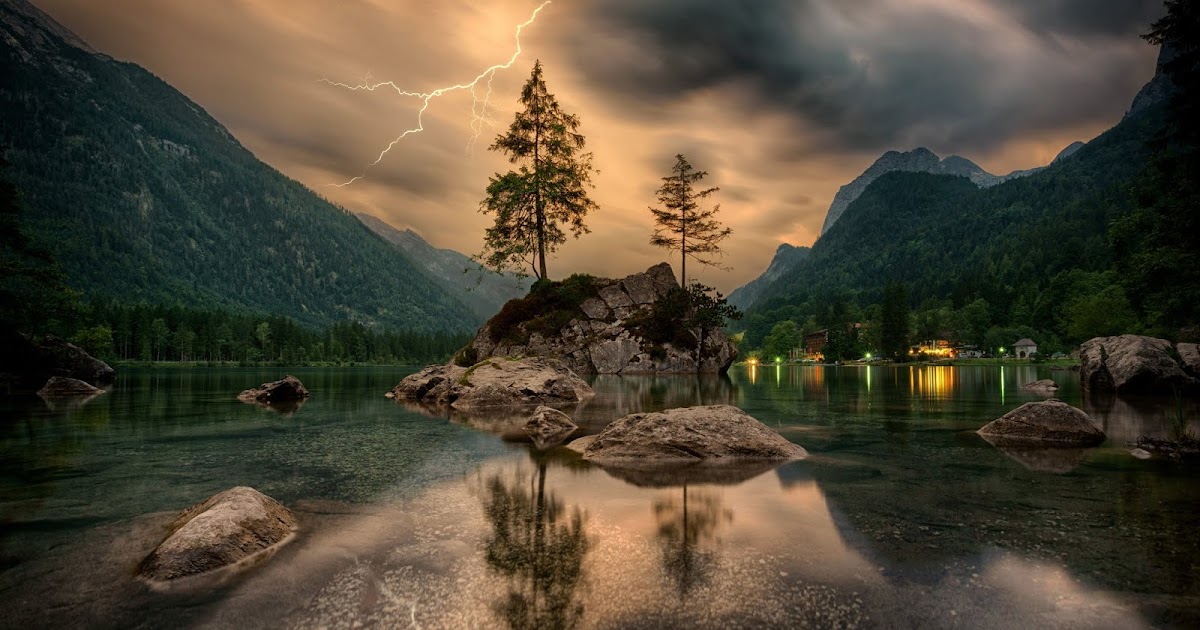
Background and environment play a significant role in wildlife photography. When photographing lions, look for unique settings that enhance your images. Natural elements like acacia trees, open savannas, and waterholes can add depth and context to your photos.
Additionally, pay attention to the time of day and weather conditions. An overcast sky can create diffused light, perfect for capturing the intricate details of a lion’s fur. Conversely, a clear blue sky can add vibrancy and contrast to your images.
Composing the Shot

Composition is key to creating striking photographs. Use the rule of thirds to position your subjects dynamically within the frame. Placing the lion off-center can create a more engaging composition and lead the viewer’s eye through the image.
Experiment with different angles and perspectives. Try shooting from a low angle to make the lions appear more majestic and powerful. Alternatively, capturing them at eye level can create a more intimate connection with the viewer.
Capturing Emotion

One of the most captivating aspects of wildlife photography is the ability to convey emotion. Lions display a wide range of feelings, from playful cubs to fierce protectors. Look for moments that tell a story, whether it’s a mother lion caring for her cubs or a male lion roaring to assert dominance.
To capture these fleeting moments, be patient and stay alert. Anticipate their actions based on their behavior and surroundings, and be ready to shoot at a moment’s notice. Continuous shooting mode can help you capture the perfect expression or movement.
Post-Processing Techniques
Once you have your images, post-processing can be vital in enhancing the final output. Basic adjustments in programs like Adobe Lightroom or Photoshop, such as exposure correction, contrast adjustments, and color balancing, can make a significant difference.
Consider cropping your images to improve composition or remove distractions from the background. However, be cautious not to over-edit; the goal is to maintain the natural beauty of the lion and its habitat.
Ethical Considerations
While photographing lions, it’s essential to consider ethical practices. Always respect wildlife and their habitat. Maintain a safe distance from the animals, and never disturb their natural behavior for the sake of a photograph.
Choosing a reputable safari guide or tour is crucial. These professionals can help you find the best locations and ensure that your photography does not interfere with the animals’ well-being.
Inspiration and Ideas for Future Shoots
As you hone your skills in photographing lions, consider exploring different themes and styles. For instance, you might focus on:
- Black and white photography: This can create a timeless feel and emphasize the textures and contrasts in your images.
- Behavioral studies: Documenting specific behaviors, like hunting or grooming, can provide insight into lion life.
- Environmental portraits: Showcasing lions within their habitat can highlight the importance of conservation and their ecosystem.
Each of these themes offers a unique angle and can lead to a compelling portfolio that captures the essence of these magnificent creatures.
Photographing lions in the wild is not just about capturing images; it’s about telling their story and connecting with nature. With the right knowledge, patience, and respect for wildlife, you can create stunning photographs that resonate with viewers and celebrate the beauty of these incredible animals.