In the world of automotive care, the details matter immensely. From the shine of a freshly waxed hood to the intricate components of an engine, every aspect plays a crucial role in both the functionality and aesthetics of a vehicle. This is where photography comes into play, particularly in showcasing an automotive shop’s services. Professional automotive shop pictures not only highlight the care given to vehicles but also serve as a powerful marketing tool, drawing in potential customers and establishing credibility.
The Importance of Visual Storytelling in Automotive Care
Visual storytelling is an essential aspect of any business, and automotive care is no exception. Quality photographs can convey the expertise, professionalism, and attention to detail that a shop offers. When potential customers see high-quality images of well-maintained vehicles or intricate repair processes, it instills a sense of trust and assurance.
Automotive shop pictures can capture various services, such as detailing, mechanical repairs, custom modifications, or even simple maintenance tasks. Each photograph tells a story about the service provided and emphasizes the care that goes into every vehicle that comes through the shop’s doors.
Choosing the Right Aesthetic for Automotive Photography
When it comes to automotive photography, the aesthetic plays a significant role. Different styles can evoke different emotions and attract various audiences. Here are some aesthetic styles to consider:
- Clean and Minimalist: This style focuses on the vehicle and its features, often using simple backgrounds and natural lighting. It’s perfect for showcasing detailing services where the shine and cleanliness of the car are the focal points.
- Dynamic Action Shots: Capturing vehicles in motion can evoke excitement and energy. These shots are ideal for showcasing performance upgrades or custom modifications.
- Close-Up Details: Highlighting the intricacies of automotive components can educate customers about the services offered. This style works well for mechanical repairs, showcasing the expertise of the technicians.
Each style serves a purpose and can be tailored to fit the branding of the automotive shop. Understanding the target audience is crucial for selecting the right aesthetic to engage potential customers effectively.
Lighting and Composition: Key Elements of Effective Automotive Photography

Lighting and composition are fundamental aspects that can make or break a photograph. The right lighting can enhance the shine of a car’s paint or highlight the textures of leather upholstery. Here are some tips to consider:
- Natural Light: Whenever possible, utilize natural light. Early morning or late afternoon provides soft, golden lighting that enhances colors and reduces harsh shadows.
- Use Reflectors: To fill in shadows and create a balanced look, consider using reflectors. This technique can help illuminate darker areas of the vehicle, ensuring every detail is visible.
- Rule of Thirds: When composing your shot, use the rule of thirds to create a more visually engaging photograph. Position the vehicle off-center to lead the viewer’s eye through the image.
Experimenting with different angles and perspectives can also add depth and interest to automotive shop pictures. High-angle shots can provide context, while low-angle shots can make vehicles appear more imposing and dynamic.
Incorporating Lifestyle Elements into Automotive Photography
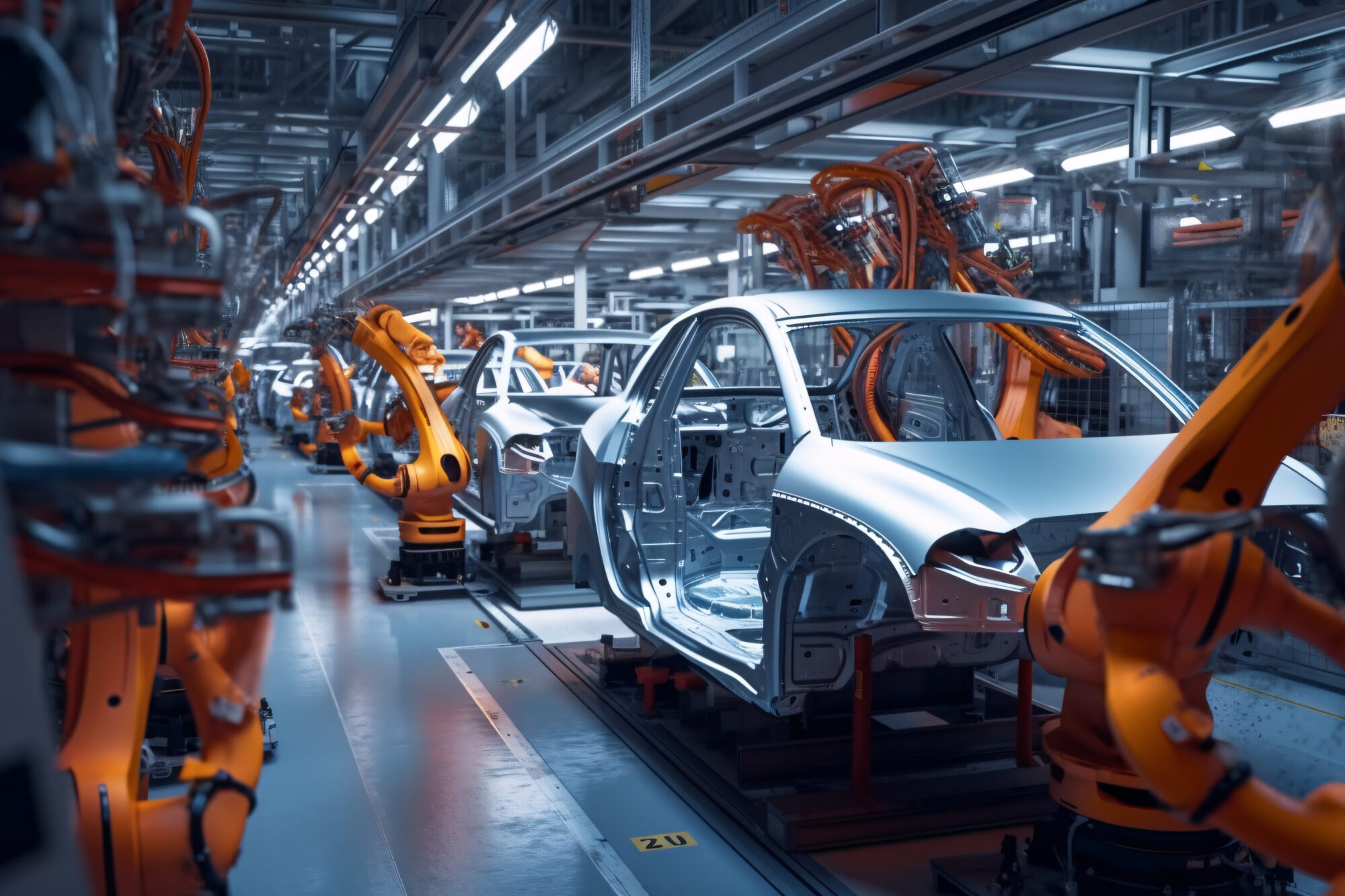
To further enhance the appeal of automotive shop pictures, consider incorporating lifestyle elements. These could include people interacting with the vehicle, showcasing the customer experience, or even the shop environment. This approach humanizes the brand and creates a narrative that potential customers can connect with.
For example, capturing a technician at work can highlight their expertise and dedication. Alternatively, photographing a satisfied customer collecting their freshly detailed vehicle creates an emotional connection and showcases the quality of service.
Editing and Post-Processing: Enhancing Automotive Images

Post-processing is an essential step in automotive photography that can elevate images to the next level. Using software like Adobe Lightroom or Photoshop, photographers can adjust lighting, contrast, saturation, and sharpness to enhance the final product. Here are some common editing techniques:
- Color Correction: Adjusting the colors in an image can make the vehicle’s paint pop and ensure that the photo accurately represents the shop’s work.
- Sharpening Details: Enhancing the sharpness can bring out the finer details, making the image look more professional.
- Background Blurring: Using selective focus or blurring the background can draw attention to the subject and eliminate distractions.
While editing is important, it’s crucial to maintain a balance that keeps the image looking natural and authentic. Customers should be able to trust that what they see in photographs accurately represents the service they can expect.
Utilizing Automotive Photography for Marketing

Once automotive shop pictures have been captured and edited, it’s essential to utilize them effectively for marketing purposes. High-quality visuals can be used across multiple platforms, including:
- Social Media: Platforms like Instagram and Facebook are ideal for showcasing automotive photography. Engaging visuals can increase shares and likes, expanding the shop’s reach.
- Websites and Blogs: Incorporating these images into the shop’s website or a blog can enhance content and improve SEO. High-quality images can also make the site more visually appealing.
- Email Campaigns: Use visuals in newsletters or promotional emails to grab the attention of existing or potential customers.
Consistently leveraging automotive photography can help in building a strong brand identity and foster customer loyalty.
In summary, effective automotive shop pictures not only showcase the care and expertise involved in auto care but also serve as a vital marketing tool. By focusing on aesthetics, lighting, composition, and editing, automotive shops can create compelling imagery that resonates with customers and elevates their business to new heights.