In the fast-paced world of automotive innovation, visuals play a crucial role in communicating the essence of engineering excellence. Automotive shop pictures capture the heart of this industry, showcasing vehicles that are not only functional but also masterpieces of design and technology. From sleek sports cars to rugged utility vehicles, these images resonate with enthusiasts and professionals alike, offering a glimpse into the artistry and craftsmanship that define modern automobiles.
The Importance of Automotive Imagery
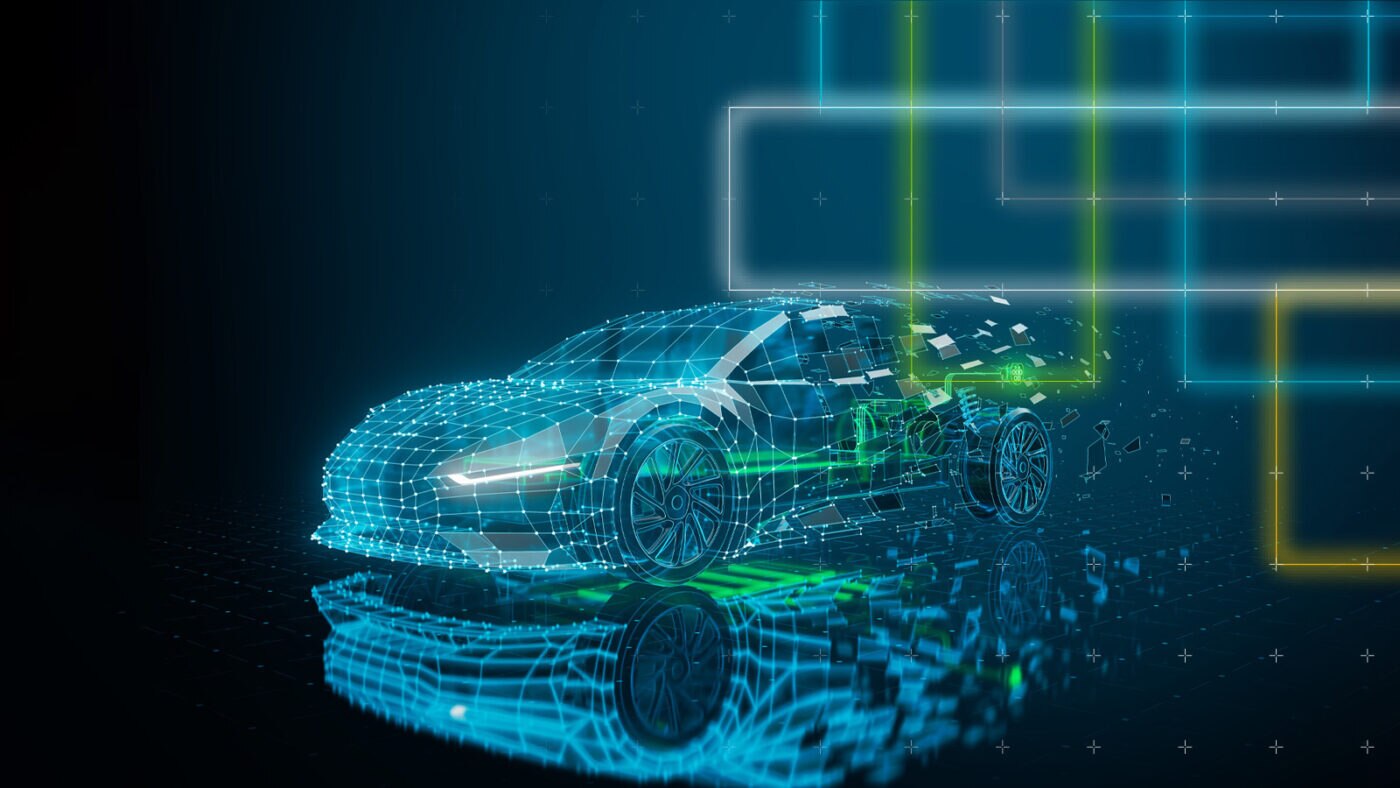
Automotive imagery serves multiple purposes; it inspires, informs, and engages audiences. Whether you’re a car enthusiast, a designer, or a potential buyer, the right visuals can enhance your understanding of the vehicle’s features, aesthetics, and performance capabilities. High-quality automotive shop pictures allow viewers to appreciate the intricate details of car designs, from the sleek lines of a coupe to the aggressive stance of an SUV.
Moreover, these images are a vital tool for automotive businesses. They enhance marketing efforts, improve customer engagement, and convey brand identity. In an age where first impressions are often made online, compelling visuals can significantly impact a customer’s decision-making process.
Styles and Trends in Automotive Photography
When it comes to automotive shop pictures, various styles and trends emerge, each offering a unique perspective on vehicles. Some popular styles include:
- Action Shots: These images capture vehicles in motion, showcasing their performance and agility.
- Studio Shots: Clean, controlled environments highlight the car’s lines and features without distractions.
- Environmental Shots: Cars in stunning landscapes or urban settings provide context and emotional resonance.
- Detail Shots: Close-ups of specific features such as the engine, wheels, or interior detailing emphasize craftsmanship.
Each style of photography can evoke different feelings and messages, allowing for a diverse range of marketing applications. Understanding which style resonates with your target audience is essential for effective communication.
Color Palettes and Mood in Automotive Imagery
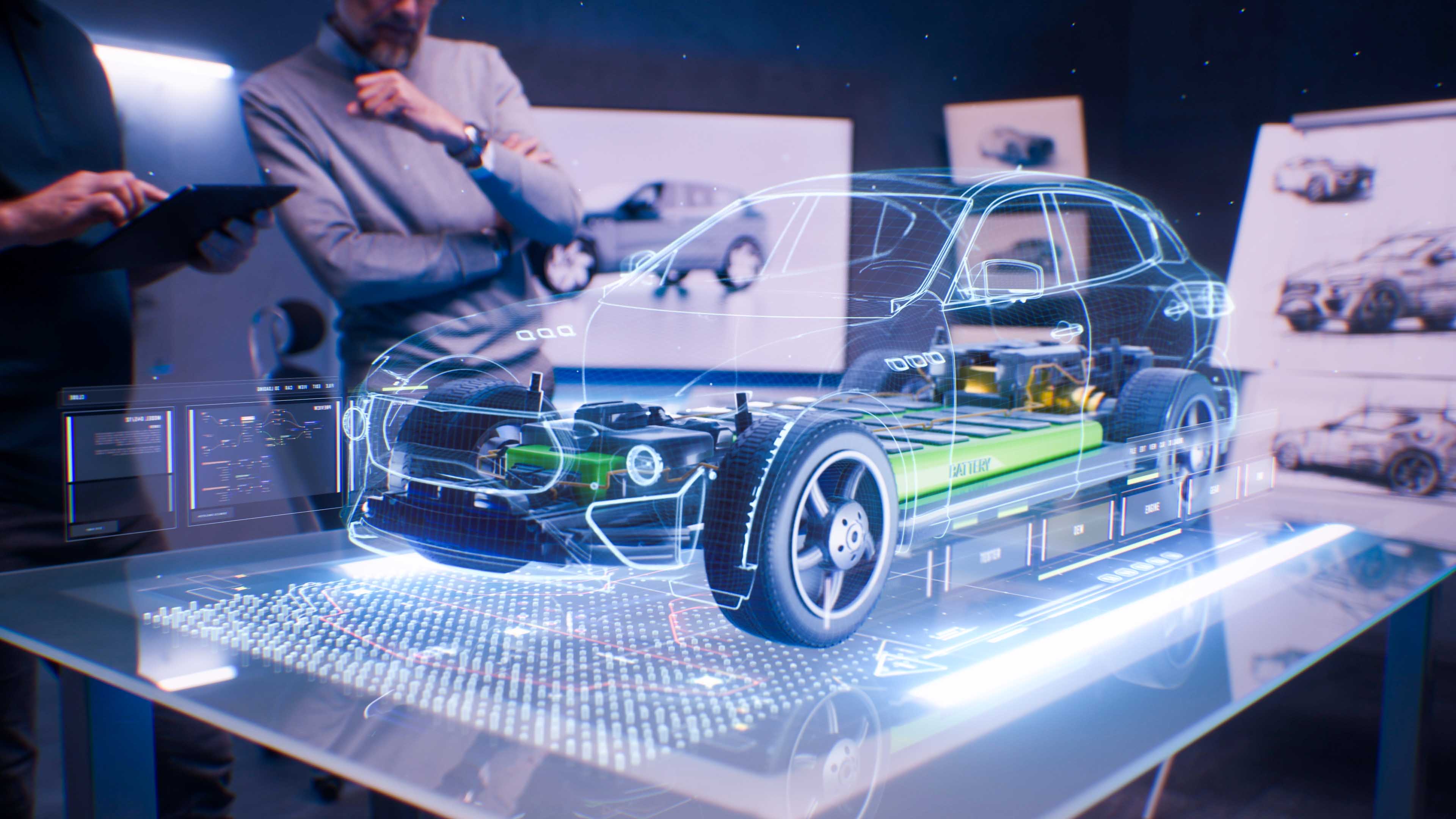
Colors play a significant role in automotive shop pictures, influencing perception and emotional response. For example, vibrant colors like red or yellow evoke enthusiasm and energy, making them ideal for sports cars. In contrast, muted tones such as gray or navy can convey sophistication and elegance, often used in luxury vehicle marketing.
The mood created by the chosen colors can also impact how a viewer connects with the image. Warm tones can make an image feel inviting and energizing, while cool tones can create a sense of calmness and professionalism. Understanding the psychology of color is essential for anyone involved in automotive design and marketing.
Choosing the Right Automotive Imagery for Different Platforms
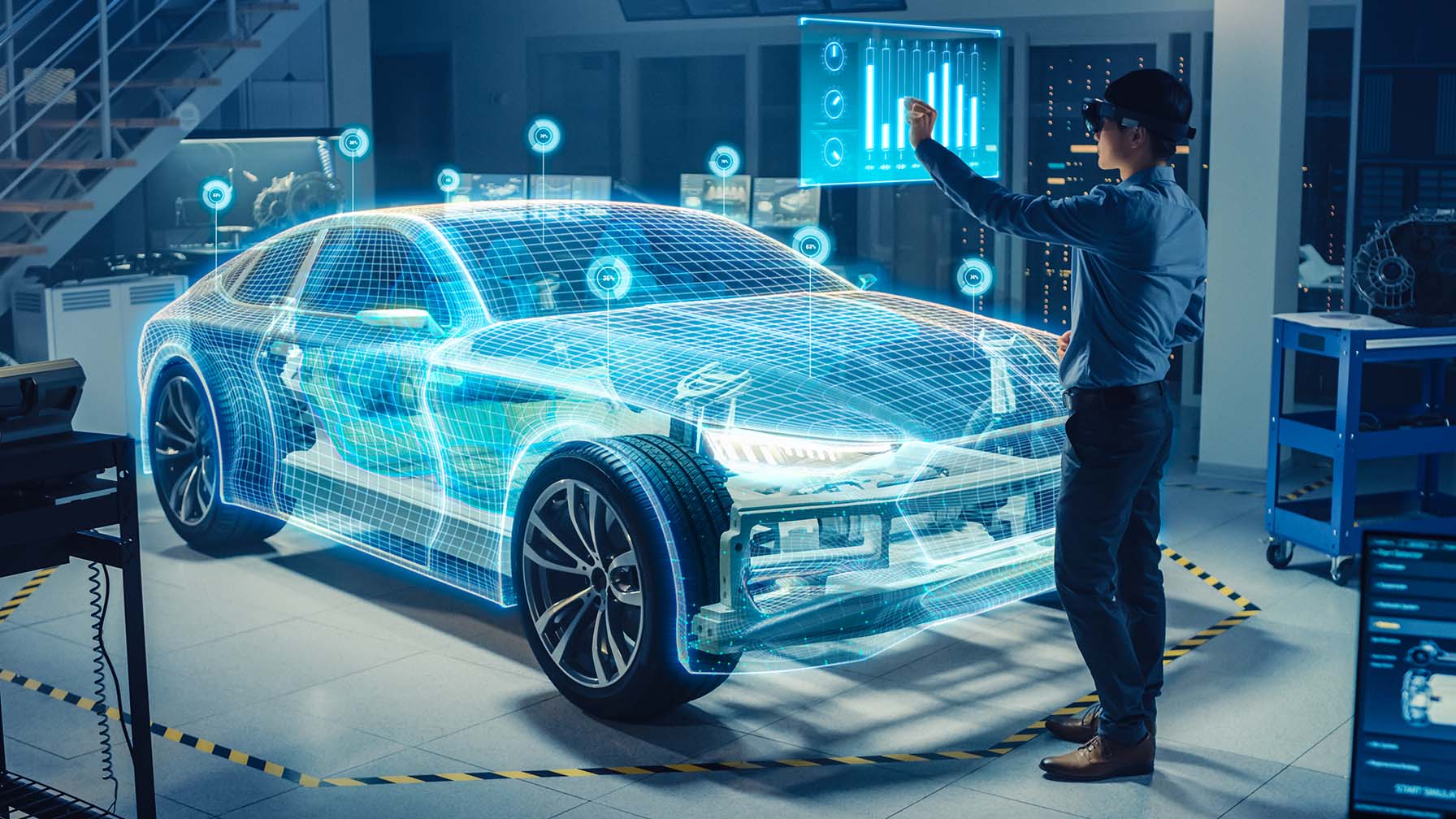
Different platforms require different approaches when it comes to automotive imagery. For instance:
- Websites: High-resolution images suitable for large displays. Focus on quality and detail.
- Social Media: Eye-catching images that are easily shareable. Square or vertical formats work best for platforms like Instagram.
- Print Media: High-resolution images that can be printed in brochures or magazines, emphasizing detail and color fidelity.
Understanding the nuances of each platform helps in selecting and presenting automotive imagery effectively, ensuring that it resonates with the intended audience.
Tips for Selecting and Combining Automotive Wallpapers
For enthusiasts looking to decorate their devices with automotive wallpapers, here are some tips for selecting and combining images:
- Choose High-Quality Images: Ensure that the image is high resolution, especially for desktop wallpapers, to avoid pixelation.
- Consider the Color Scheme: Select wallpapers that complement the overall color palette of your device or workspace.
- Mix Styles: Combine different styles (e.g., action shots with studio shots) to create a dynamic and visually interesting collection.
- Seasonal Themes: Change your wallpapers according to seasons or events (e.g., holidays, races) to keep your display fresh.
These tips help to create a visually cohesive and inspiring environment, reflecting personal style and passion for automobiles.
Inspiration from Automotive Design
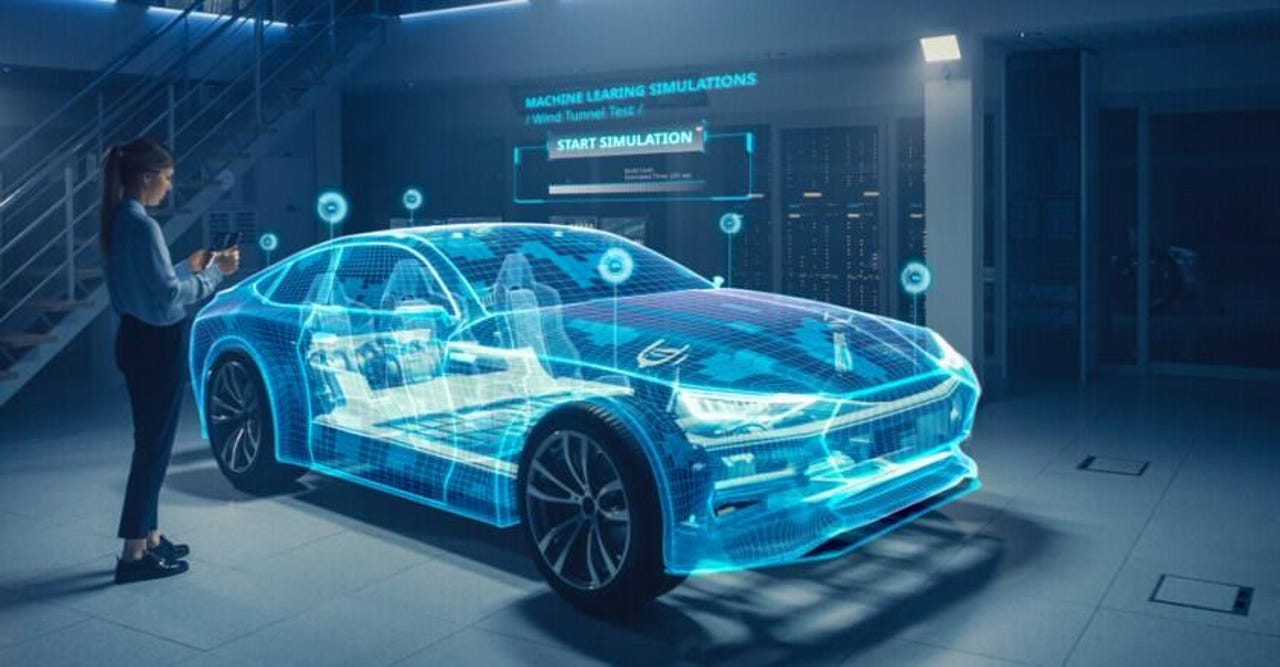
The automotive industry is a treasure trove of inspiration for designers and enthusiasts. Notable automotive designers often draw from various art movements and cultures, integrating aesthetics that resonate with a broad audience. From the fluid forms of Art Deco to the bold lines of modern minimalism, the influences are vast.
Moreover, nature can also serve as a muse for automotive design. The sleekness of a fish or the aerodynamic shapes of birds often inspire vehicle designers to enhance performance and efficiency.
The Future of Automotive Imagery
As technology advances, so does the potential for automotive imagery. Virtual reality (VR) and augmented reality (AR) are beginning to reshape how consumers interact with automotive visuals. Imagine being able to take a virtual tour of a car before it’s even on the market or visualizing how a vehicle would look in your driveway.
These technologies promise to revolutionize automotive marketing and consumer engagement, offering immersive experiences that traditional imagery cannot match. As we look forward, the intersection of technology and design will undoubtedly lead to exciting new developments in automotive imagery.