In an age where digital interfaces dominate our lives, the choice of imagery in our environments has never been more critical. Vigilant imagery, also known as vigilance-images, plays a pivotal role in modern society. These images are not just decorative; they convey emotions, set moods, and often reflect our values and aspirations. As we navigate through various platforms—be it on a desktop, tablet, or smartphone—understanding how to effectively choose and integrate these images can significantly enhance our user experience.
Understanding Vigilance-Images
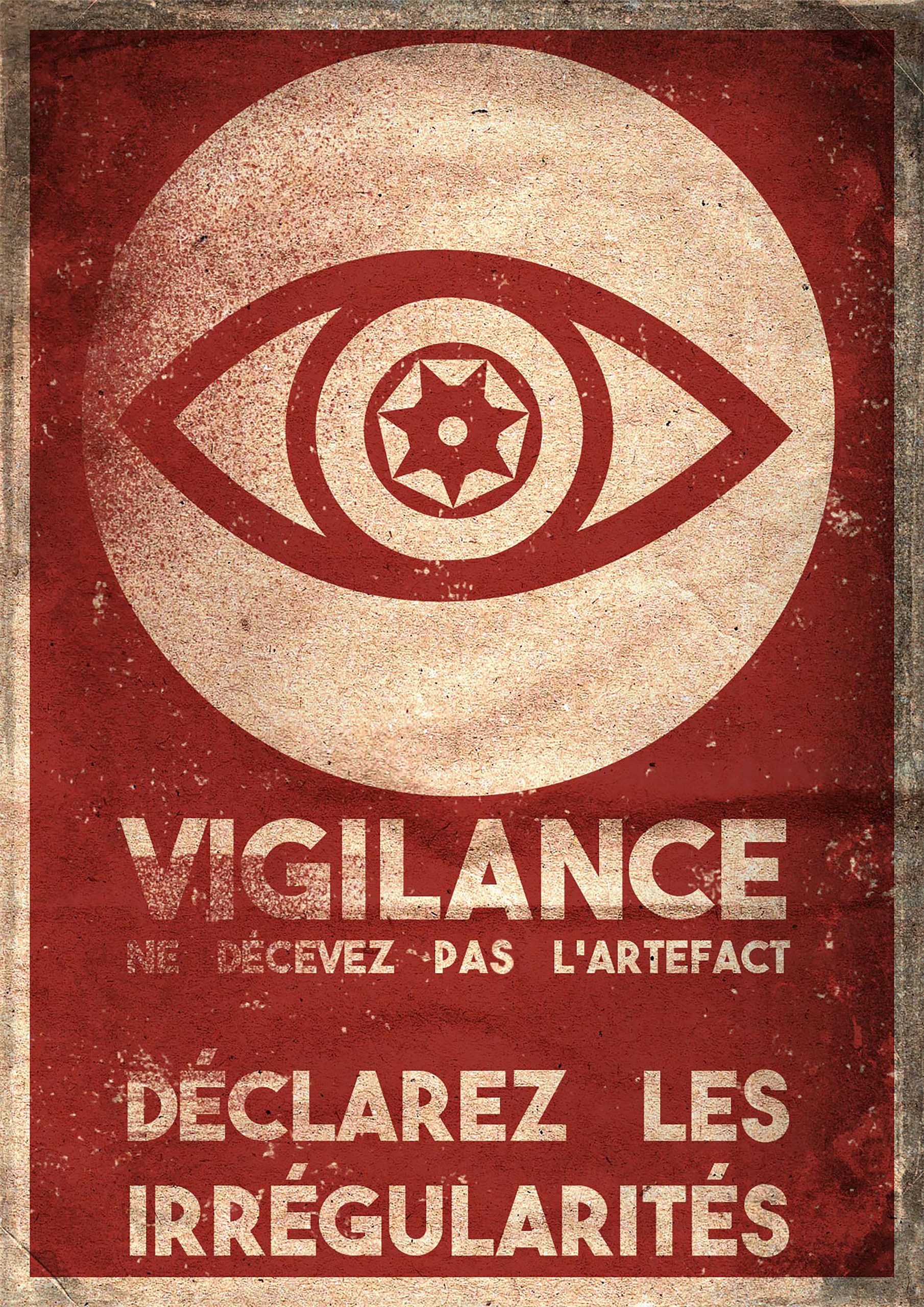
Vigilance-images are visual elements that elicit awareness and attentiveness. They can range from serene landscapes that promote calmness to dynamic urban scenes that inspire energy and productivity. This duality makes them versatile tools in the design world, whether for websites, wallpapers, or social media graphics. When selecting a vigilance-image, it’s essential to understand the context in which it will be used. For instance, an image intended for a professional workspace might differ greatly from one designed for a personal device.
The psychology behind these images suggests that our surroundings can influence our mood and productivity levels. For example, a calming blue wallpaper can create a serene atmosphere conducive to focus, while vibrant red tones might invigorate and energize a user. Thus, choosing the right colors and styles is crucial in achieving the desired emotional response.
Choosing the Right Imagery for Different Platforms

Each platform has unique dimensions and user interactions, making it essential to tailor your images accordingly. For desktop backgrounds, high-resolution images that maintain clarity when enlarged are paramount. Users often seek images that provide a sense of depth and immersion, as they spend substantial time in front of their screens.
For mobile devices, consider the aspect ratio and how images will appear on smaller screens. Minimalistic designs often work best, as they prevent clutter and distractions. Additionally, the color palette should align with the user’s activities; for instance, soft pastels for relaxation apps or bold colors for productivity tools. Remember, users interact with their mobile devices on the go, so imagery should resonate with their immediate context.
Color Palettes and Their Impact

The color scheme of vigilance-images can significantly alter the perception of a space. Cool colors, such as blues and greens, are often associated with tranquility and peace, making them suitable for environments designed for relaxation or focus. Warm colors, on the other hand, such as yellows and oranges, exude warmth and cheer—ideal for social media platforms or collaborative workspaces.
When designing wallpapers, consider combining complementary colors to create a visually appealing aesthetic. For example, pairing a calming blue with a vibrant orange can stimulate creativity while providing a balanced visual experience. Additionally, the use of gradients can add depth and texture to images, making them more engaging.
Incorporating Themes and Styles
Incorporating specific themes into vigilance-images can enhance their effectiveness. For example, nature-themed images can provide a sense of serenity and connection to the environment, while abstract designs can inspire creativity and innovation. Urban themes, on the other hand, reflect the fast-paced nature of modern life, resonating with users who thrive in dynamic environments.
When curating a collection of wallpapers or images, consider the overall theme or message you want to convey. Consistency in style—whether it be minimalist, bohemian, or industrial—will create a cohesive visual experience. This not only enhances the aesthetic appeal but also reinforces the emotional impact of the imagery.
Practical Tips for Image Selection and Combination
- Know Your Audience: Understanding the preferences and needs of your target audience can guide your selection process. For instance, younger audiences may gravitate towards bold, trendy designs, while older demographics might prefer classic and timeless imagery.
- Test for Compatibility: Always preview how your selected images look across different devices and resolutions. This ensures that the imagery maintains its impact regardless of where it’s viewed.
- Mix and Match: Don’t hesitate to experiment with different images. Combining various styles can yield unique and engaging results. Consider overlays, textures, or patterns to create a dynamic visual landscape.
- Stay Updated with Trends: The world of design is ever-evolving. Keep an eye on current trends and incorporate them into your selections to keep your imagery fresh and relevant.
Inspirations for Your Next Design Project

For those looking to revamp their digital spaces, consider drawing inspiration from the world around you. Nature, architecture, and even art can provide excellent sources for vigilant imagery. Take a walk in your local park, visit art galleries, or explore urban landscapes; each can offer a wealth of ideas for colors, textures, and themes to incorporate into your designs.
Online platforms such as Pinterest and Behance are great resources for finding and curating inspiration. Create mood boards that reflect your vision and help you visualize how different images can work together harmoniously.
Ultimately, the role of vigilance-images in modern society cannot be understated. They are not merely decorative; they are powerful tools that shape our daily experiences. By understanding how to choose, combine, and apply these images, anyone can create a more engaging, productive, and aesthetically pleasing digital environment. With a keen eye for detail and an awareness of emotional impact, the right imagery can transform our visual interactions in profound ways.