Konosuba: God’s Blessing on This Wonderful World! is a beloved anime series that has made a significant impact in the isekai genre since its debut. Unlike many other isekai narratives that follow a predictable formula, Konosuba breaks the mold with its unique storytelling, humor, and character dynamics. This article delves into the elements that set Konosuba apart, examining its background, character development, and the various tropes it cleverly subverts.
The Isekai Genre: A Brief Overview

The isekai genre has exploded in popularity over the past decade, with numerous series depicting characters who are transported to magical worlds. Typically, these stories feature a protagonist who possesses unique abilities or powers, embarking on grand adventures to save their new world. However, while these tales often focus on epic battles and serious quests, Konosuba opts for a more comedic and satirical approach.
At the heart of Konosuba’s charm is its protagonist, Kazuma Satou, a typical ‘average guy’ who meets an untimely demise in the real world and is offered a chance to reincarnate in a fantasy realm. However, instead of being given overpowering skills or allies, Kazuma is met with a series of unfortunate events that lead to hilariously mundane adventures. This subversion of expectations sets the stage for the show’s unique narrative style.
Characters That Defy Expectations

One of the standout features of Konosuba is its memorable cast of characters, each of whom embodies various tropes while managing to break them in refreshing ways. Kazuma, for instance, is not your typical hero. His constant complaints, lack of ambition, and pragmatic approach to challenges contrast sharply with the conventional heroic archetype. Instead of seeking glory, Kazuma often desires nothing more than to enjoy his new life with minimal effort.
The supporting characters are equally compelling. Aqua, the goddess who accompanies Kazuma, is a self-absorbed figure who often proves to be more of a hindrance than a help. Unlike traditional divine characters in other isekai series, Aqua’s incompetence and overconfidence lead to a range of comedic situations, highlighting the absurdity of relying on a seemingly omnipotent being.
Humor as a Central Element
Konosuba’s strength lies in its humor, which is derived from situational comedy, character interactions, and parodying the tropes of the isekai genre. The series frequently places its characters in ridiculous and ironic situations that challenge their motivations and desires. For instance, instead of embarking on grand quests, much of the story revolves around mundane tasks, such as cleaning and paying off debts, which adds a relatable element to the overall narrative.
Moreover, the humor often stems from character relationships, particularly the rivalry and camaraderie between Kazuma and his party members. The interactions between Kazuma, Aqua, Megumin, and Darkness create a dynamic that is both entertaining and reflective of real-life friendships, albeit exaggerated for comedic effect.
Visual Style and Animation
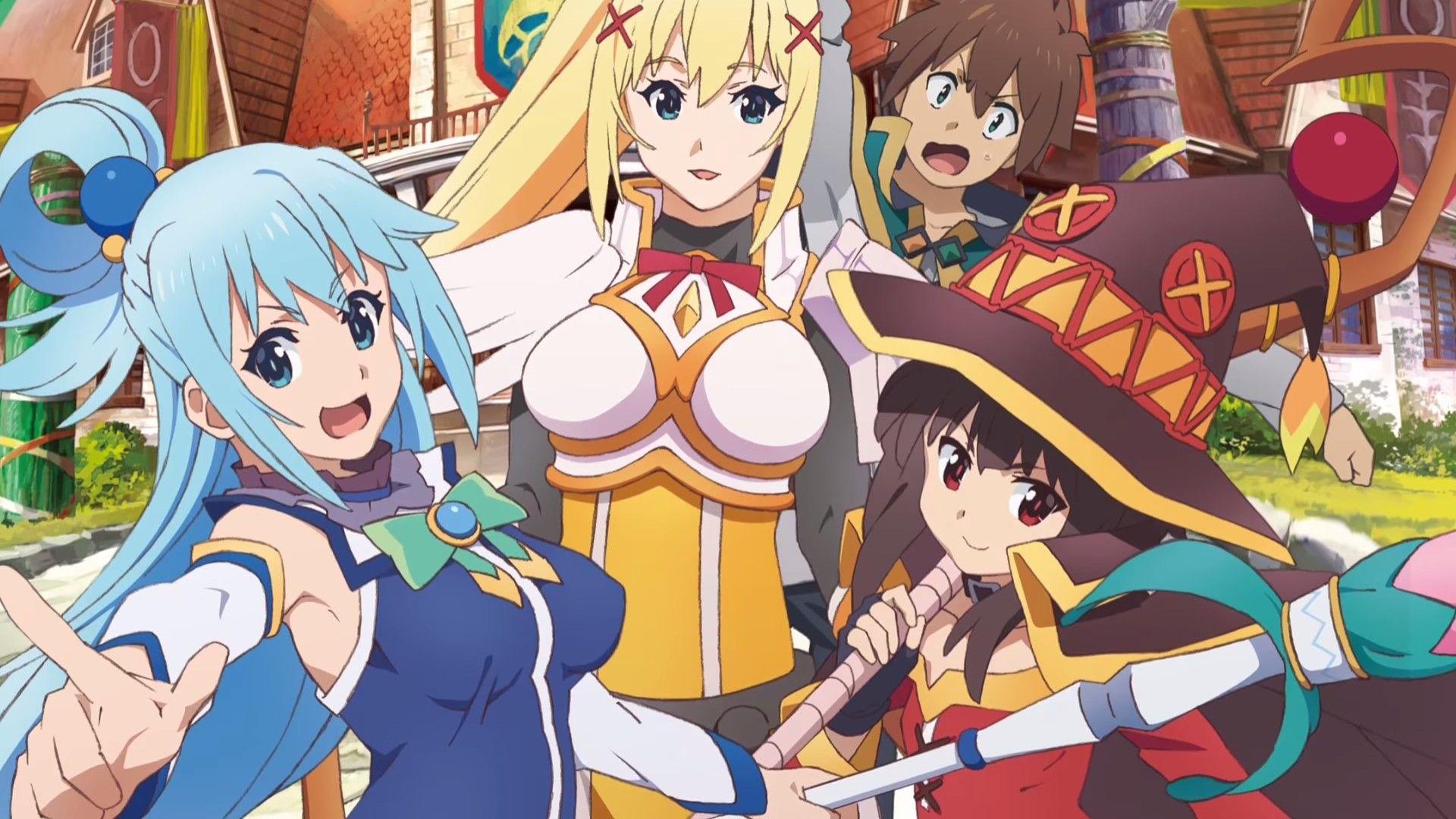
The visual presentation of Konosuba plays a crucial role in conveying its humor and charm. The vibrant color palette, expressive character designs, and fluid animation enhance the comedic timing of the series. The exaggerated facial expressions and reactions of the characters amplify the comedic moments, making them even more impactful. This visual style complements the lighthearted nature of the series, contrasting with the darker tones often found in other isekai adaptations.
Additionally, the use of chibi art during comedic moments further emphasizes the series’ playful tone. This technique allows scenes to maintain a light-hearted atmosphere, even when the plot takes unexpected turns. The combination of bright colors and energetic animation captures the whimsical essence of the fantasy world, drawing viewers into the absurdity of the narrative.
Subverting Traditional Tropes
Konosuba excels at subverting traditional isekai tropes in ways that not only entertain but also provoke thought. For example, the reliance on party dynamics is turned on its head. Instead of forming a well-balanced team of heroes, Kazuma’s party is comprised of flawed individuals who often bicker and struggle to work together. This dysfunctional team dynamic leads to comical failures and misadventures, creating a refreshing take on the ‘heroic party’ trope.
Moreover, the series challenges the notion of ‘grinding’—a common aspect in many isekai stories where characters need to level up through battles and challenges. In Konosuba, this grind is often portrayed as a tedious and fruitless endeavor, reducing it to comedic banter instead of glorifying it. This clever commentary invites viewers to reflect on the often absurd nature of power progression in fantasy narratives.
Impact on the Isekai Genre
Since its release, Konosuba has significantly influenced the isekai genre by encouraging creators to explore humor and character-driven stories. Its success has resulted in a growing number of series that prioritize comedic elements and character interactions over traditional adventure narratives. Shows like Re:Zero and The Rising of the Shield Hero have incorporated aspects of humor and character depth, further diversifying the genre.
Moreover, the popularity of Konosuba has led to increased interest in adaptations that focus on parody and satire, showcasing that audiences are eager for more than just formulaic storytelling. The series has proven that by breaking conventions and embracing humor, isekai narratives can resonate with a broader audience.
Conclusion: A Legacy of Laughter

In summary, Konosuba’s unique take on the isekai genre has left an indelible mark on anime culture. By subverting traditional tropes, crafting lovable and flawed characters, and employing humor as a central element, the series has created a space for fresh narratives within the fantasy realm. Its legacy inspires future creators to step outside the confines of conventional storytelling, reminding us that laughter and relatability can coexist harmoniously in any genre.