In the vibrant world of automotive culture, photography plays a crucial role in showcasing the intricate details and dynamic energy of automotive shops. Captivating automotive shop pictures can transform a simple image into a storytelling masterpiece, inviting viewers into a world where machinery and artistry collide. Whether you’re a professional photographer, a hobbyist, or an automotive enthusiast looking to elevate your visual portfolio, understanding the nuances of automotive shop photography is essential.
Understanding the Essence of Automotive Shop Photography
Automotive shop photography is not merely about capturing cars but rather about encapsulating the entire atmosphere of the shop environment. The best automotive shop pictures convey the hustle and bustle of mechanics at work, the glimmer of well-polished vehicles, and the intricate details of tools and equipment that contribute to a car’s transformation. Each photograph highlights the craft, passion, and dedication that go into the automotive industry.
When looking to capture this essence, consider the elements that define an automotive shop. Pay attention to the interplay of light and shadow, the color palette, and the textures present in the scene. These components work together to create a compelling image that draws viewers in and makes them feel as though they are part of the automotive experience.
Choosing the Right Time and Space for Photography
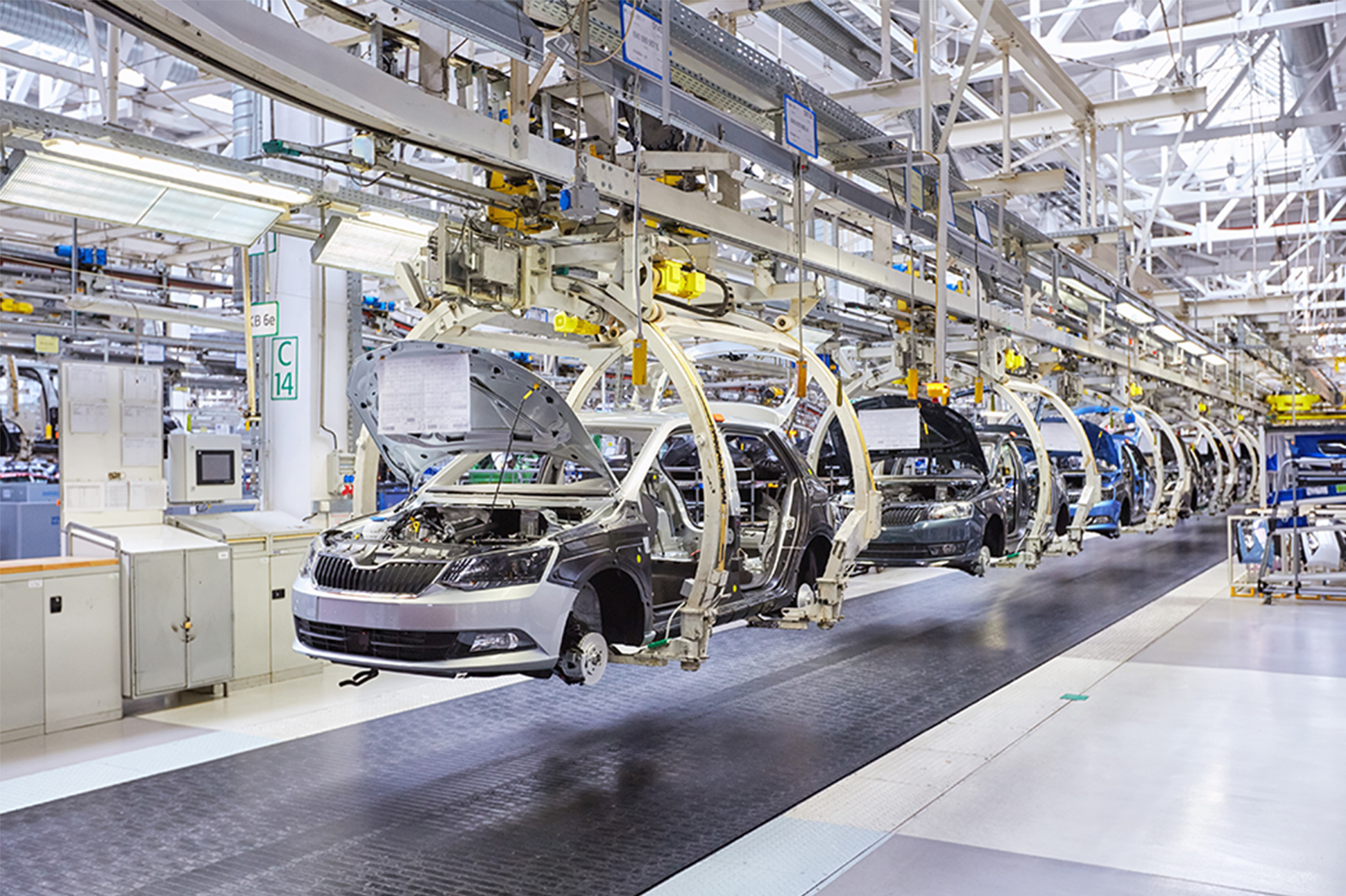
Lighting is one of the most critical aspects of photography, especially in automotive shops where different light sources can dramatically alter the mood of an image. Natural light can create a soft and inviting feel, while artificial lighting can highlight metallic surfaces and vibrant colors. Planning your shoots during the golden hour—shortly after sunrise or before sunset—can help you achieve stunning effects with natural light.
Furthermore, the layout of the automotive shop is crucial. Wide-angle shots can capture the grandeur of the shop’s interior, while close-ups can reveal the artistry behind the machinery. Experimenting with different angles and perspectives can yield unique and captivating results. Don’t hesitate to explore various locations within the shop, such as the workbench, under the cars, or even the entryway to convey different aspects of the automotive experience.
Styling and Composition Techniques
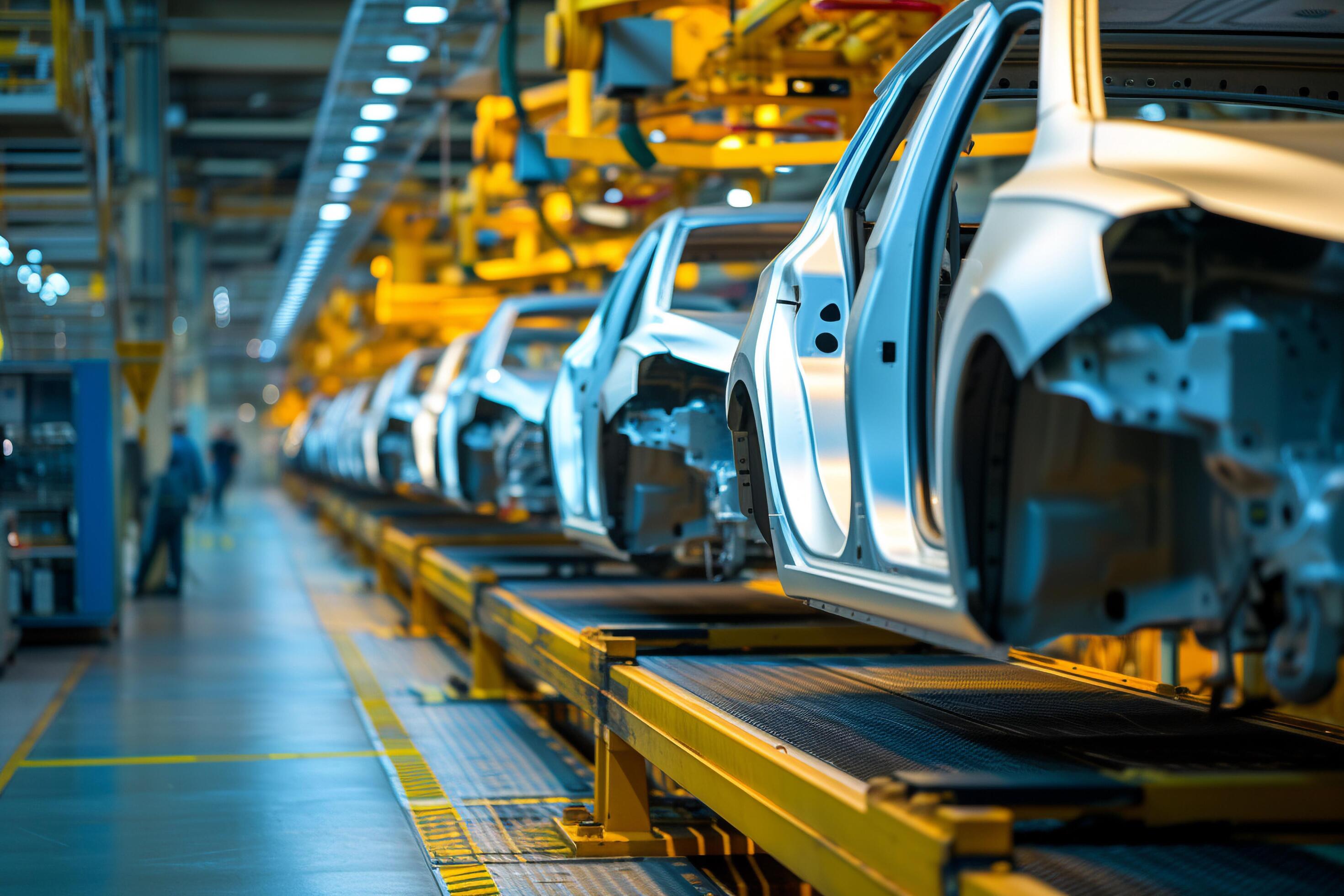
Effective composition is essential to creating striking automotive shop pictures. Implementing the rule of thirds can help you create a balanced and interesting photograph. By placing the focal point off-center, you can create movement within the image, guiding the viewer’s eye through the scene.
- Leading Lines: Use lines within the shop, such as tool racks or the edges of vehicles, to lead the viewer’s eye to the main subject.
- Framing: Look for natural frames created by the machinery or structures within the shop. This technique can draw attention to your subject and enhance depth.
- Depth of Field: Utilize a shallow depth of field to blur the background, emphasizing the details of the car or the mechanics at work.
These techniques will not only enhance the visual appeal of your automotive shop photos but also help tell a story about the scene being captured. Remember, every photograph should evoke emotion and connect with the audience, inviting them into the world you are portraying.
Color Palettes and Mood in Automotive Photography
The colors in your automotive shop pictures can significantly impact the overall mood of the images. Rich, saturated colors can evoke energy and excitement, while muted tones may convey a sense of nostalgia or calm. Consider the type of vehicles and tools present in the shop; the colors of these items can inspire your photography style.
For instance, if you are shooting vintage cars, you might lean towards warmer tones and a more rustic aesthetic. Conversely, modern, high-performance vehicles might lend themselves to a cooler, more industrial palette. Choosing color schemes that reflect the shop’s character will help deliver a cohesive visual narrative.
Inspiration and Ideas for Automotive Shop Photography
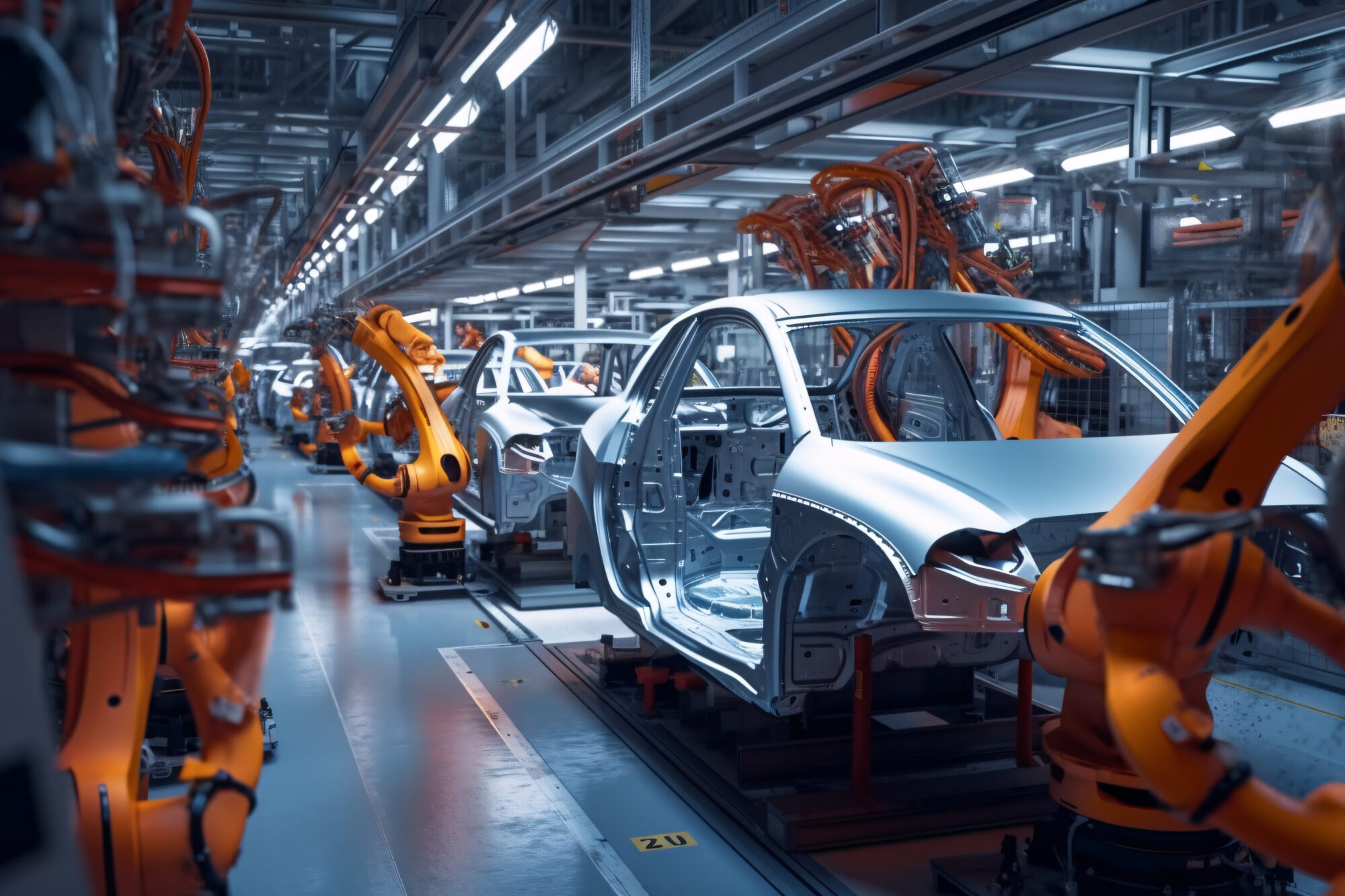
Finding inspiration for your automotive shop photography can come from various sources. Social media platforms like Instagram and Pinterest are treasure troves of creative ideas. Follow automotive photographers and enthusiasts to see how they capture their subjects. Additionally, attending automotive shows or events can provide opportunities to practice and expand your portfolio.
Consider creating themed projects, such as a series on restoration processes, the impact of technology on automotive design, or the everyday life of mechanics. By focusing on a specific theme, you can create a powerful collection of images that showcase your unique perspective and storytelling abilities.
Editing and Final Touches

Post-processing is an integral part of the photography workflow. Editing your automotive shop pictures can enhance colors, adjust lighting, and sharpen details, ensuring that your images resonate with viewers. Use editing software to fine-tune exposure and contrast, and consider converting some images to black and white for a classic or dramatic effect.
When editing, maintain a consistent style that reflects your vision and brand. This consistency will not only create a recognizable aesthetic but also establish your identity as a photographer within the automotive community.
In conclusion, captivating automotive shop photography is a blend of technical skills, artistic vision, and a deep appreciation for the automotive culture. By understanding the elements that create compelling images and utilizing effective techniques, you can elevate your photography to new heights. Whether you’re aiming to create stunning wallpaper backgrounds for digital platforms or simply looking to showcase your work, the world of automotive shop photography offers endless opportunities for creativity and expression.