Goats are charming and expressive animals, making them a delightful subject for photography. Their playful antics and unique personalities can result in stunning images that capture the essence of these wonderful creatures. Whether you are a professional photographer or a hobbyist, mastering goat photography can be a rewarding experience. In this article, we will delve into the art of goat photography, offering tips and insights to help you take breathtaking shots.
Understanding Goat Behavior
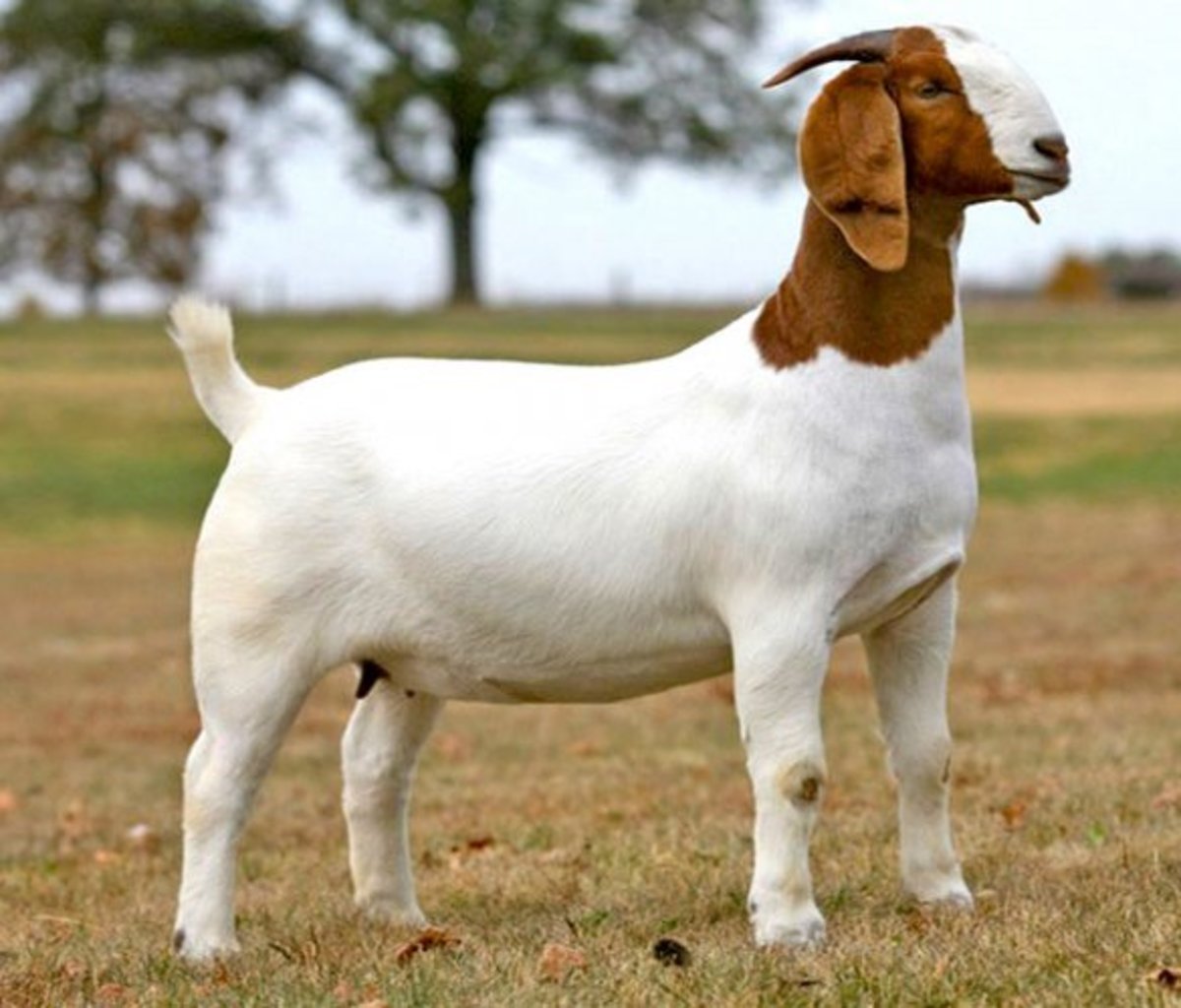
To photograph goats effectively, it’s essential to understand their behavior. Goats are naturally curious and tend to explore their surroundings. This curiosity can work to your advantage as they may come close to you, providing opportunities for captivating shots. Observing their social interactions can also yield fantastic candid moments. Spend time getting to know the goats before you start shooting; this will help you anticipate their movements and capture the perfect moment.
Additionally, goats are generally more active during specific times of the day, often referred to as the golden hours—early morning and late afternoon. The soft, diffused light during these periods enhances the quality of your photographs, giving them a warm and inviting feel.
Choosing the Right Equipment
Selecting the appropriate equipment is crucial for capturing stunning goat photographs. While a professional camera can provide excellent quality, many smartphone cameras today are equally capable of taking great shots. Here are some essential tools to consider:
- Camera: A DSLR or mirrorless camera with a good zoom lens can help you capture close-up details without disturbing the goats.
- Lens: A lens with a wide aperture (like f/1.8 or f/2.8) is ideal for achieving a blurred background, allowing the goat to stand out in your shot.
- Tripod: A tripod can be beneficial for stability, especially in low-light situations.
- Editing Software: Post-processing tools like Lightroom or Photoshop can enhance your images, allowing you to correct colors, adjust brightness, and crop for composition.
Composition Techniques
Composition plays a vital role in photography, and goat photography is no exception. Here are some tips to improve your composition:
- Rule of Thirds: Imagine dividing your frame into a 3×3 grid. Positioning your goat at one of the intersecting points can create a more dynamic image.
- Leading Lines: Use natural lines in the environment, such as fences or paths, to lead the viewer’s eye toward the goat.
- Framing: Use elements in your environment to frame the goat, adding depth to your photo.
- Background: Pay attention to the background to avoid distractions. A clean, uncluttered backdrop will help the goat stand out.
Capturing Emotions and Expressions
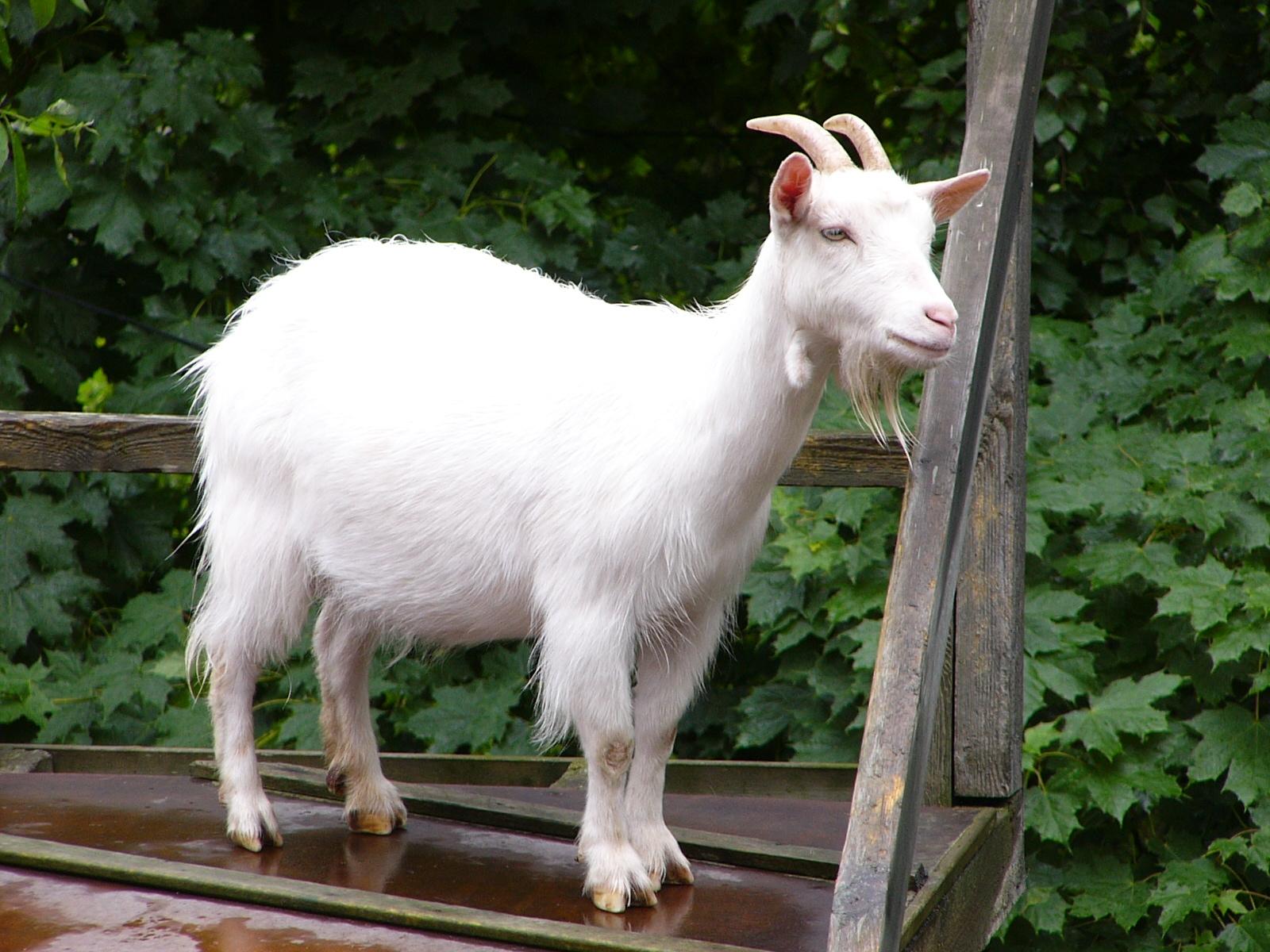
Goats are known for their expressive faces and vibrant personalities. Capturing these emotions can transform a good photo into a great one. To achieve this, take your time and observe the goats. Wait for the right moment when they display a range of expressions—curiosity, playfulness, or even mischief. Patience is key in goat photography, as the perfect shot often comes when you least expect it.
Additionally, be ready to shoot continuously. The spontaneity of goat behavior means that the perfect moment might happen in a split second. Using burst mode on your camera can help you capture a series of images, increasing your chances of getting that perfect shot.
Using Natural Light
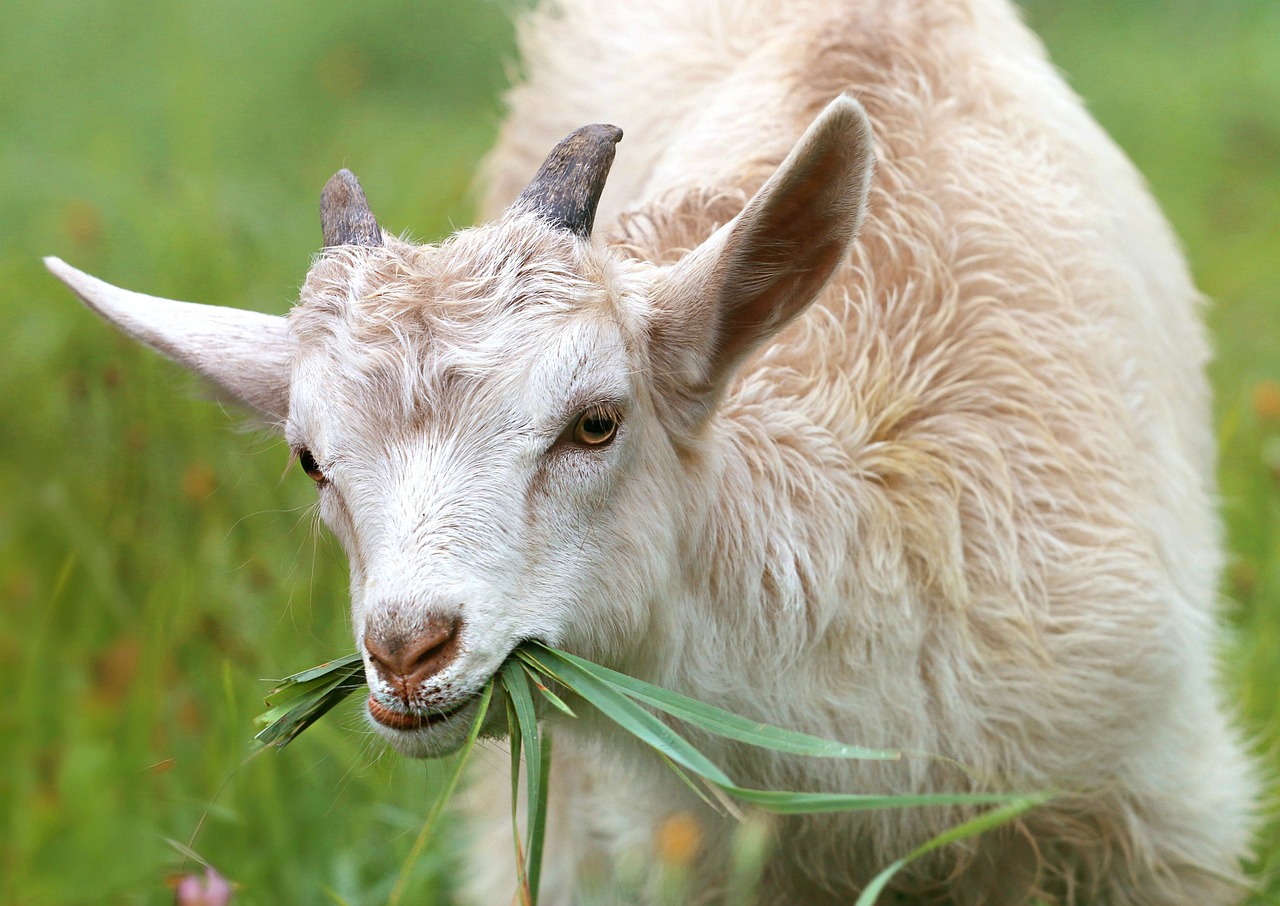
Natural light can dramatically enhance your goat photographs. Soft, natural light highlights the textures of the goat’s fur and creates pleasing shadows. Avoid shooting in harsh midday light, as it can result in overexposed highlights and unflattering shadows. Instead, aim for early morning or late afternoon when the light is softer and more flattering.
If you find yourself in a shaded area, consider using a reflector to bounce light onto the goat, illuminating their features and adding interest to your photos.
Post-Processing Tips
Editing your goat photographs can elevate them to the next level. Post-processing allows you to enhance colors, adjust exposure, and fine-tune details. Here are some key aspects to focus on during editing:
- Adjusting Exposure: Ensure your image is well-exposed to capture the details in both the highlights and shadows.
- Color Correction: Adjust the white balance to ensure the colors in your photo are true to life.
- Cropping: Crop your image to eliminate distractions and improve the composition.
- Sharpening: Apply a little sharpening to enhance the details of the goat’s fur and features.
Sharing Your Goat Photography

Once you’ve captured and edited your goat photographs, it’s time to share them with the world! Social media platforms like Instagram, Facebook, and Pinterest are excellent venues for showcasing your work and connecting with other photography enthusiasts. Consider creating a dedicated portfolio or website to display your images and attract a broader audience.
Engaging with online communities and participating in photography challenges can also help you gain exposure and improve your skills. Don’t forget to use relevant hashtags to increase the visibility of your posts—hashtags like #GoatPhotography or #AnimalLovers can help you reach those who share your passion.