Baseball is not just a game of skill; it’s a game of precision and technique. One of the most crucial skills a player must master is the bat swing. A proper bat swing technique can significantly impact a player’s performance, helping to ensure that they make solid contact with the ball. In this article, we will explore various bat swing techniques, breaking down the mechanics involved and how players can implement these techniques to improve their game.
Understanding the Basics of a Bat Swing

The bat swing is a complex motion that involves the entire body. From the grip of the bat to the follow-through, each element plays a pivotal role in the overall effectiveness of the swing. Understanding the fundamental components is essential for any baseball player. Here are the essential elements:
- Stance: The player’s stance is the starting position. A balanced stance helps with weight transfer during the swing.
- Grip: The way a player holds the bat can affect swing speed and control. A proper grip allows for better bat control.
- Load Phase: This is when the player prepares to swing, shifting weight slightly onto the back foot.
- Swing Phase: The actual motion of swinging the bat. This phase includes the rotation of the hips and shoulders.
- Follow-Through: A proper follow-through ensures that the player maintains balance and prepares for the next pitch.
Different Types of Bat Swings
While all swings have the same basic mechanics, various styles can be employed depending on individual preferences, body types, and the type of pitch being faced. Here are some common bat swing techniques:
- Level Swing: This technique involves keeping the bat level through the hitting zone. It’s effective for making consistent contact with the ball and is often used by contact hitters.
- Uppercut Swing: A more aggressive approach, the uppercut swing aims to lift the ball into the air, often resulting in home runs. This technique requires strong rotational mechanics.
- Downward Swing: Often employed by players who are trying to hit ground balls, this technique involves swinging down slightly on the ball to induce a grounder.
- Two-Handed Swing: Common among younger players, this swing emphasizes using both hands on the bat until contact is made, promoting better control.
The Role of Body Mechanics in Bat Swing Techniques

Understanding how to use body mechanics effectively can enhance a player’s swing. The use of legs, hips, and shoulders is vital in generating power and speed. Here’s how each part contributes:
- Legs: The legs provide stability and power. A player should push off their back leg to drive the swing forward.
- Hips: The hips are crucial for rotational speed. Initiating the swing with a hip turn helps generate momentum.
- Arms and Shoulders: The arms should extend during the swing, while the shoulders help guide the bat through the hitting zone. Proper coordination between these elements is key to a successful swing.
Practicing Bat Swing Techniques

Practice is essential for mastering any bat swing technique. Here are some effective drills to improve bat swing mechanics:
- Soft Toss: This drill involves a partner tossing the ball softly to the player, allowing them to focus on swing mechanics without the pressure of a live pitch.
- Tee Drills: Hitting off a stationary tee allows players to concentrate on specific aspects of their swing, such as follow-through and contact point.
- Video Analysis: Recording swings and analyzing them can provide insight into areas that need improvement. Players can see their mechanics in action and adjust accordingly.
- Live Pitching Practice: Facing live pitching helps players apply their swing techniques in real-game scenarios, helping to build confidence and adjust to different pitch speeds.
Finding the Right Equipment
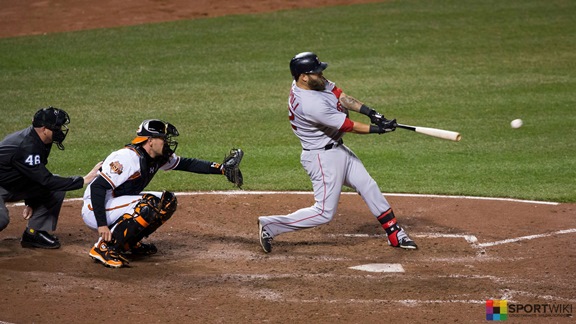
The right bat can make a significant difference in swing performance. Players should consider the following factors when selecting a bat:
- Material: Bats can be made from wood, aluminum, or composite materials. Each has its advantages, such as durability and weight.
- Length and Weight: The right bat weight and length can affect swing speed and control. Players should choose a bat that feels comfortable.
- Grip Size: A comfortable grip is essential for maintaining control during the swing. Players should try different bats to find the perfect fit.
In conclusion, mastering different bat swing techniques can greatly enhance a baseball player’s performance. By understanding the basics, exploring various swing styles, and practicing effectively, players can develop a swing that is both powerful and consistent. Whether you’re a beginner or an experienced player, focusing on these elements can elevate your game to new heights.