Goat photography may not be the first thing that comes to mind when you think of animal photography, but it’s a delightful niche that showcases the frolicsome and charming nature of these animals. Whether you are a professional photographer or an amateur with a smartphone, capturing the essence of goats can be both rewarding and fun. In this guide, we will explore various techniques, settings, and ideas to help you capture the caprine charm in your photography.
Understanding Goat Behavior
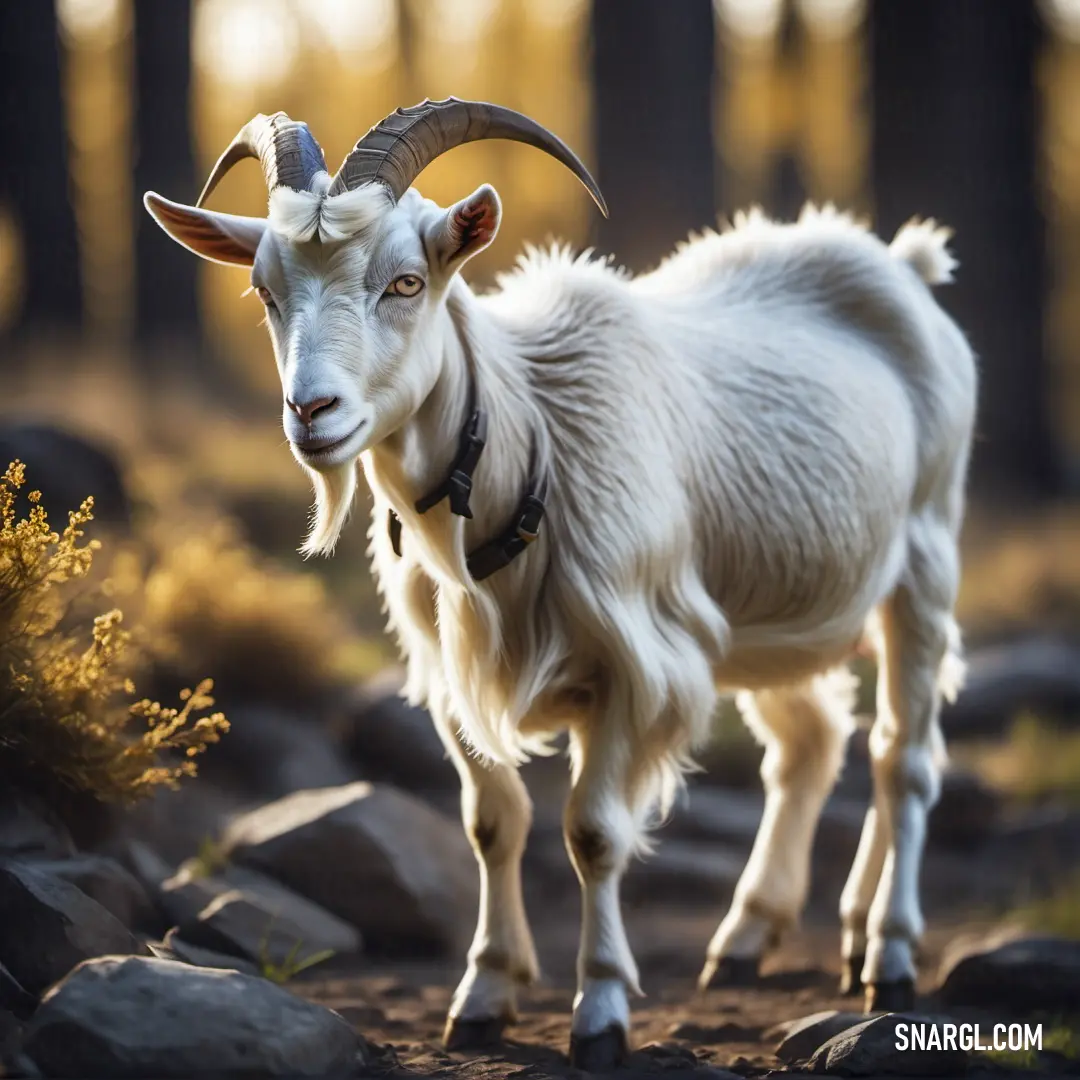
Before you even pick up your camera, it’s essential to understand the behavior of goats. These creatures are curious, playful, and often unpredictable. Understanding their behavior can significantly increase your chances of getting that perfect shot. Spend some time observing them in their natural environment. Notice how they interact with each other and their surroundings. This will help you anticipate their movements and position yourself accordingly.
Goats are most active during the early morning and late afternoon when the light is softer and more flattering for photography. They can be quite lively, so patience is key. Use this to your advantage; wait for the right moment when they leap, nibble, or interact with their environment.
Choosing the Right Equipment

While it is possible to take fantastic goat photos with a smartphone, having the right equipment can enhance your results considerably. If you’re using a DSLR or mirrorless camera, consider a lens with a focal length of 50mm to 200mm. This range allows you to capture both close-up portraits and wider shots of goats in their habitat.
Additionally, using a fast lens is advisable, especially in low light situations typical of dawn or dusk. A lens with a wide aperture (f/1.8 or lower) will give you a beautiful depth of field, making your goat subjects stand out against a blurred background.
Finding Your Location
Goats can be found in various settings – farms, petting zoos, and even in the wild. Each location offers a unique backdrop for your photography. If you’re visiting a farm, look for interesting settings such as barns, fields, and wooded areas. The rustic elements can add depth and context to your images.
If you’re photographing goats in the wild, seek out natural settings that enhance the beauty of the goats. Rocks, hills, and open fields can create stunning compositions. Always prioritize safety and the well-being of the animals and the environment when choosing your location.
Composing Your Shots
When composing your shots, remember to focus on the goat’s eyes; they are often the most expressive part of the animal. Use the rule of thirds to position the goat in a way that draws the viewer’s eye. Don’t be afraid to fill the frame with your subject, which can create a powerful impact.
Experiment with different angles. Try shooting from a low point to capture the goats’ perspective or from above for a unique viewpoint. Including elements from the environment, like flowers or fences, can add context and interest to your composition.
Capturing the Moment
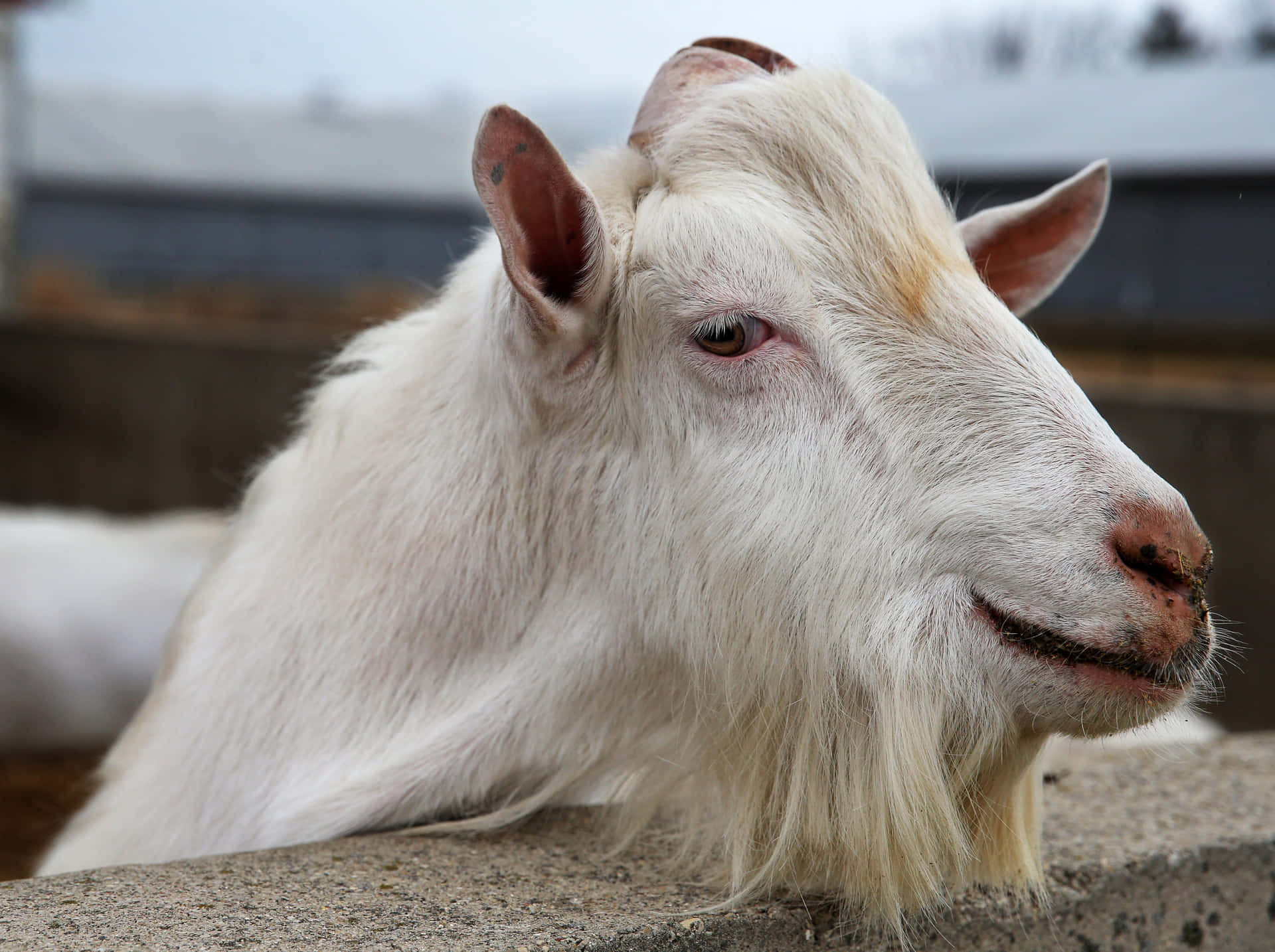
Once you have set up your shot, be ready to capture spontaneous moments. Goats are known for their playful antics, and these candid shots often tell the best stories. Use continuous shooting mode if your camera has one, as it will help you capture multiple frames in quick succession. This is particularly useful when they are jumping or interacting with each other.
Pay attention to the lighting as well. Natural light can dramatically affect the mood of your photos. Backlighting can create a magical glow around your subject, while golden hour provides a warm and inviting atmosphere.
Editing Your Goat Photos
Post-processing is an essential part of modern photography. Even a small adjustment can significantly enhance your images. Start with cropping to improve the composition, then adjust the exposure, contrast, and saturation to make the colors pop. Be cautious not to over-edit; the goal is to maintain the natural charm of your goats.
Consider converting some of your photos to black and white. This can add a timeless quality and emphasize the textures of the goat’s fur and the surrounding environment.
Inspiration and Community
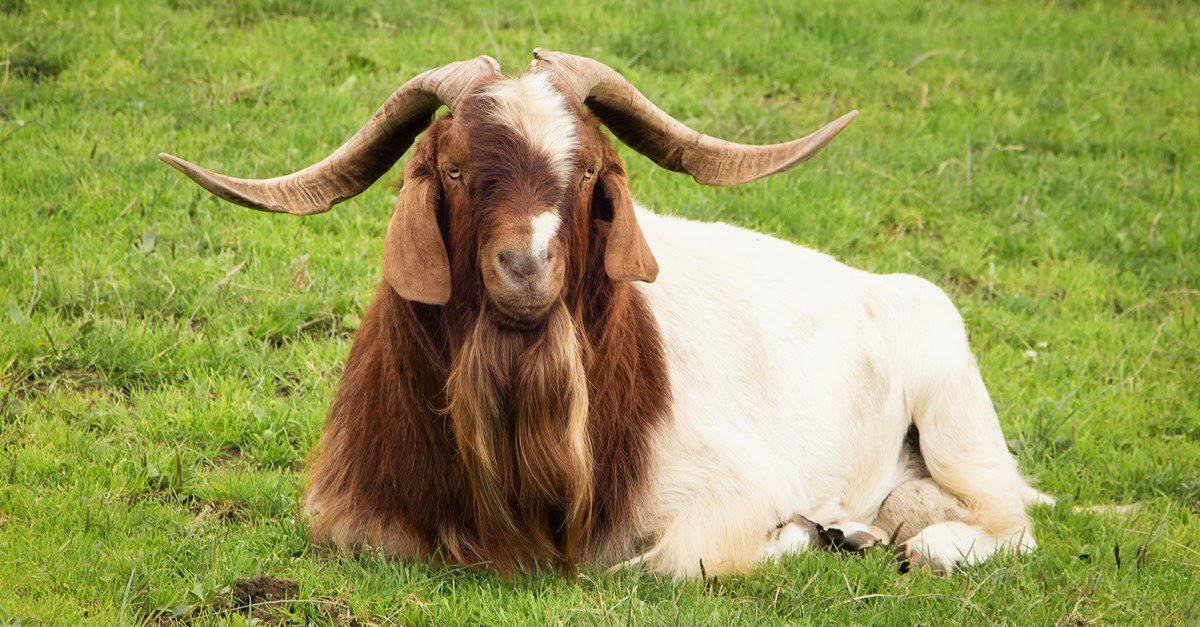
Joining photography groups on social media can provide you with inspiration and feedback on your goat photography. Look for hashtags related to animal photography and goats specifically. You can learn a lot by viewing other photographers’ work, and it may spark new ideas for your own shoots.
Visiting goat shows or events can also provide excellent opportunities for photography. The excitement and energy of these events often lead to unique shots that capture the personality of different goat breeds.
Sharing Your Work
Once you have captured the charm of goats, consider sharing your work on platforms like Instagram, Flickr, or your own blog. Using appropriate hashtags will help you reach a wider audience. Engaging with your followers and fellow photographers can lead to collaborations and new opportunities.
Remember, the beauty of goat photography lies not just in the technical aspects but also in the joy and personality these animals bring. Embrace the quirks and charm of your goat subjects, and don’t hesitate to show their playful spirit through your lens.