Trees have long been a captivating subject in the world of photography, resonating with viewers on multiple levels. Their intricate forms, varied textures, and rich symbolism provide a depth that transcends the mere act of capturing an image. Through the lens, a picture of trees becomes more than just a photograph; it evolves into a narrative that conveys emotions, stories, and connections to nature. In this article, we will delve into the symbolism of trees, explore various photography styles, and provide tips for integrating these majestic elements into your visual storytelling.
The Symbolism of Trees
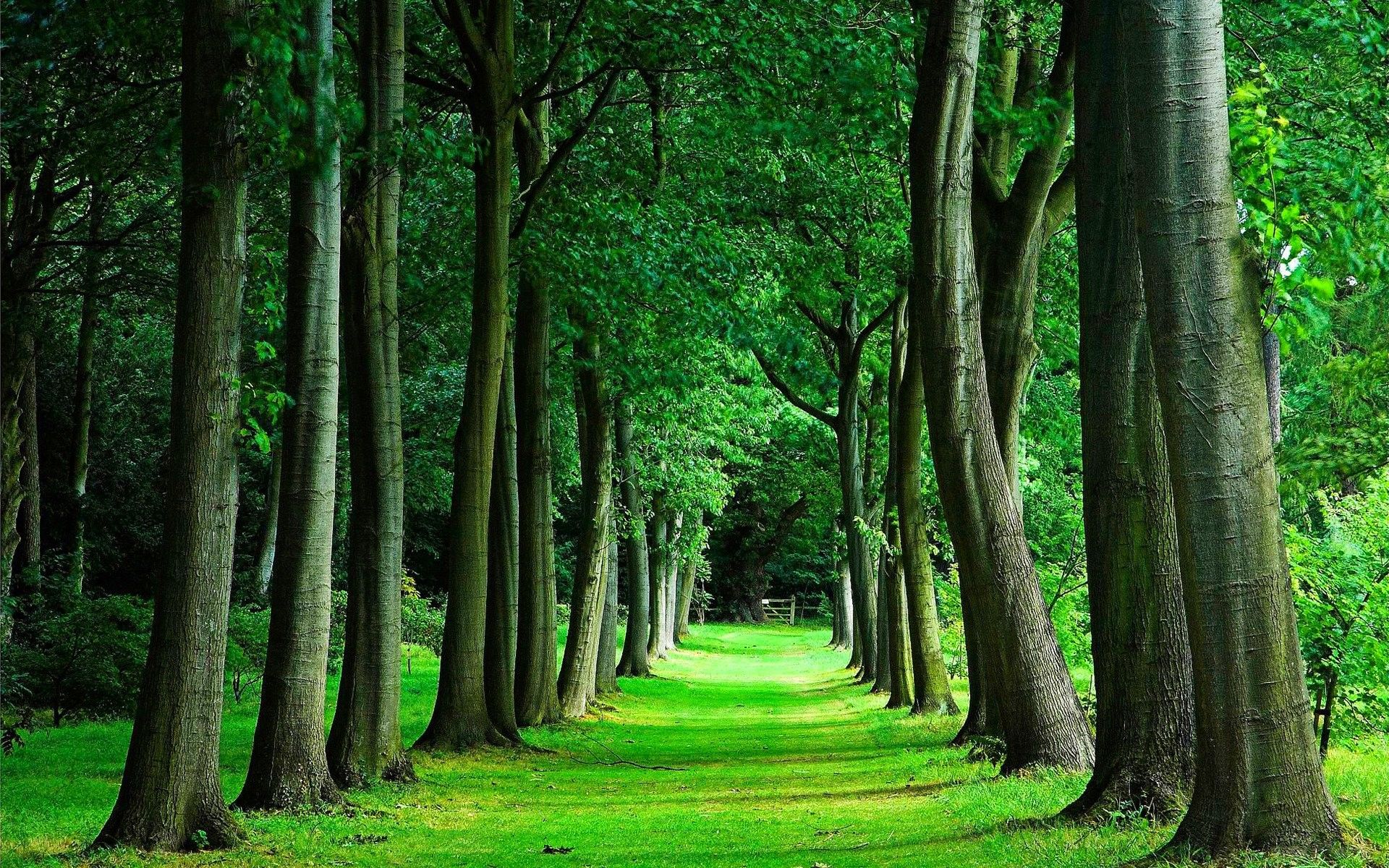
Trees symbolize various themes across cultures and eras, serving as powerful metaphors for life, growth, and resilience. In many traditions, trees are seen as sacred, often representing the connection between heaven and earth. Their roots dig deep into the soil, representing stability and grounding, while their branches stretch toward the sky, symbolizing aspiration and enlightenment.
From the ancient Yggdrasil of Norse mythology to the Bodhi tree under which Siddhartha attained enlightenment, trees hold significant spiritual meaning. In contemporary photography, capturing a picture of trees can evoke feelings of nostalgia, serenity, and connection to nature. The varying forms of trees—from the gnarled trunk of an ancient cedar to the delicate silhouette of a cherry blossom—offer abundant opportunities for creative expression.
Styles of Tree Photography
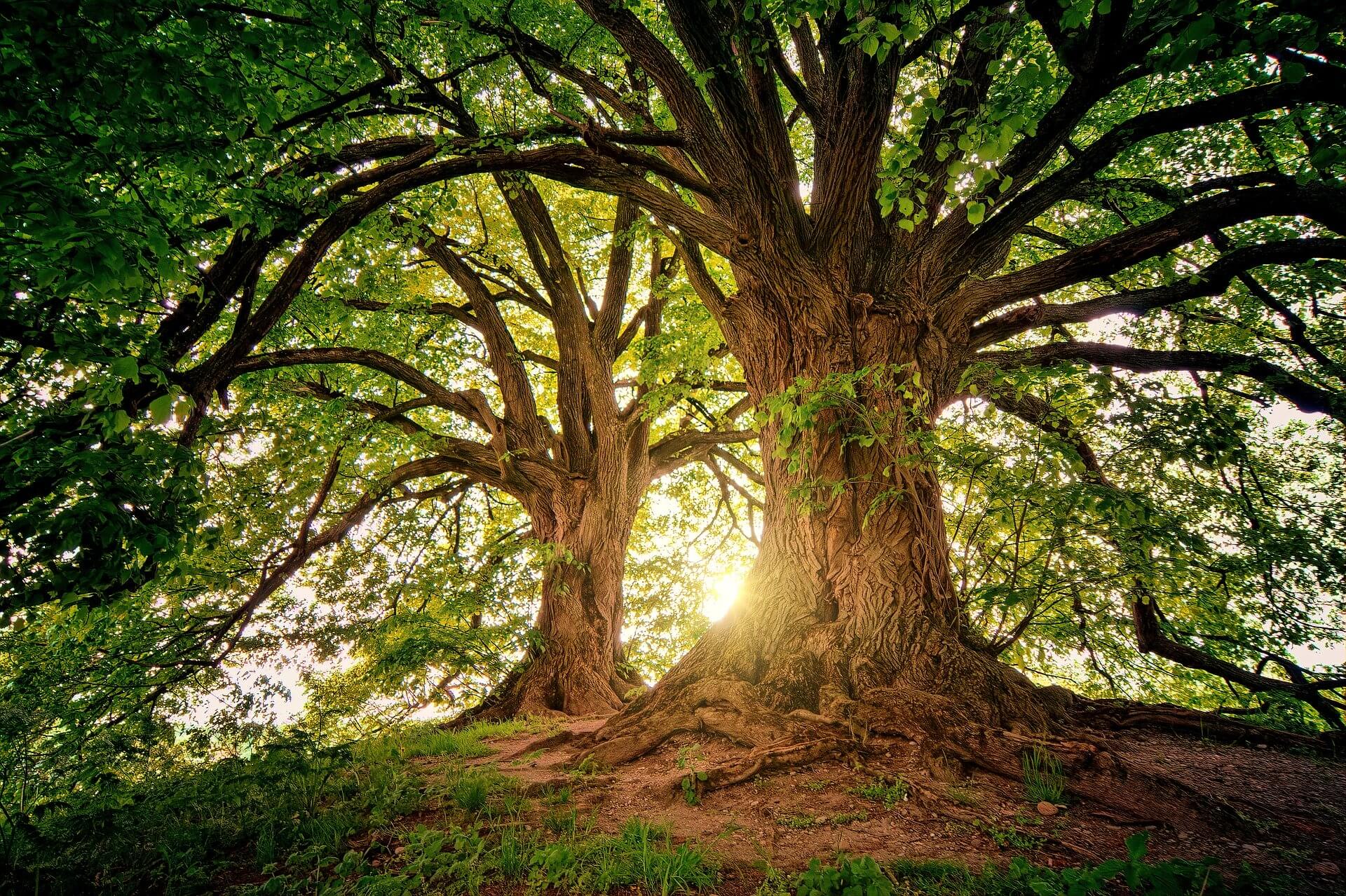
When it comes to photographing trees, several styles can be embraced to capture their unique beauty. Some popular approaches include:
- Landscape Photography: Incorporating trees into broader landscapes can elevate the composition and add a sense of scale. Photographers often use leading lines formed by tree trunks or branches to guide the viewer’s eye through the scene.
- Macro Photography: Focusing on the smaller details of trees—such as bark texture, leaves, and blossoms—allows for an intimate exploration of their characteristics. Macro shots can unveil the intricate patterns that go unnoticed at first glance.
- Silhouette Photography: Capturing trees against a vibrant sunset or a dramatic sky can create striking silhouettes that emphasize their shape and form. This technique can evoke strong emotions and create a sense of mystery.
Color and Mood in Tree Photography
The color palette in tree photography plays a crucial role in setting the mood of the image. Seasons drastically alter the appearance of trees, creating different atmospheres. The rich oranges and yellows of autumn evoke warmth and nostalgia, while the fresh greens of spring symbolize renewal and hope.
In terms of color usage, consider how different tones can affect the viewer’s perception. For instance, a picture of trees captured in monochrome can convey a sense of timelessness or drama, while vibrant colors can elicit joy and energy. Understanding color theory and its psychological effects can enhance your photographic endeavors.
Integrating Trees into Wallpaper Designs
With the rise of digital devices, tree photography finds its place in wallpaper designs for desktops, mobiles, and tablets. A well-chosen picture of trees can transform a screen into a serene escape, providing an uplifting atmosphere during daily tasks. When selecting tree images for wallpaper, consider the following tips:
- Resolution: Ensure the photograph has a high resolution to maintain clarity and detail on various screen sizes. A low-resolution image may appear pixelated and detract from the overall aesthetic.
- Color Harmony: Choose images that complement your device’s color scheme. For example, a soft pastel-colored tree against a muted background can create a calming effect, while bold, vibrant images can energize the space.
- Theme Consistency: When designing a series of wallpapers, maintain a consistent theme that reflects your style. This could mean using similar color palettes, moods, or tree types.
Inspiration for Tree Photography
/GettyImages-494504493-5bb7e2fd149b4a7195caa38902de576f.jpg)
Finding inspiration for tree photography can often stem from nature’s own beauty. Explore local parks, botanical gardens, or forests during different times of the day to capture the dynamic interplay of light and shadow on the trees. Early morning and late afternoon are often considered the best times for soft, golden light, which can enhance the mood of your images.
Additionally, consider how weather conditions impact the trees and their surroundings. Fog can create an ethereal quality, while rain can add a fresh vibrancy to leaves and bark. Don’t hesitate to experiment with different angles and perspectives; sometimes the most compelling images come from unconventional viewpoints.
Editing and Final Touches
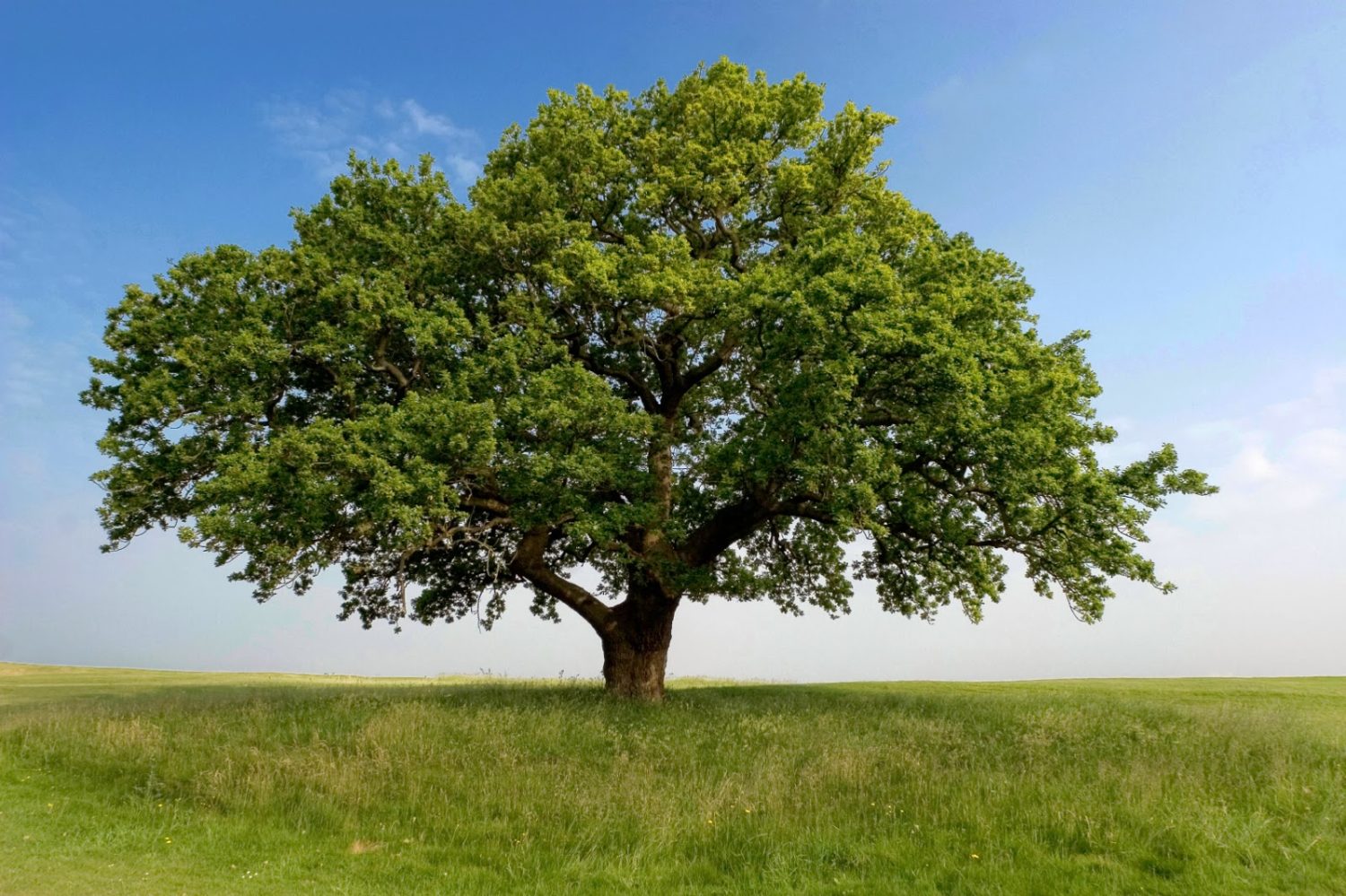
Once you have captured your tree images, the editing process can take your photography to the next level. Consider using software like Adobe Lightroom or Photoshop to enhance the colors, contrast, and clarity of your pictures. Subtle adjustments can make a significant difference, transforming an already beautiful image into a stunning piece of art.
Moreover, consider experimenting with filters and overlays that can reinforce the mood you wish to convey. For instance, a warm filter can enhance the comforting feel of an autumn scene, while a cool filter can evoke a tranquil winter landscape.
Ultimately, the choice is yours, and the digital age provides endless possibilities for creativity. Whether you’re using tree imagery for personal wallpaper or professional projects, understanding the symbolism and aesthetic of trees in photography will enrich your visual storytelling.